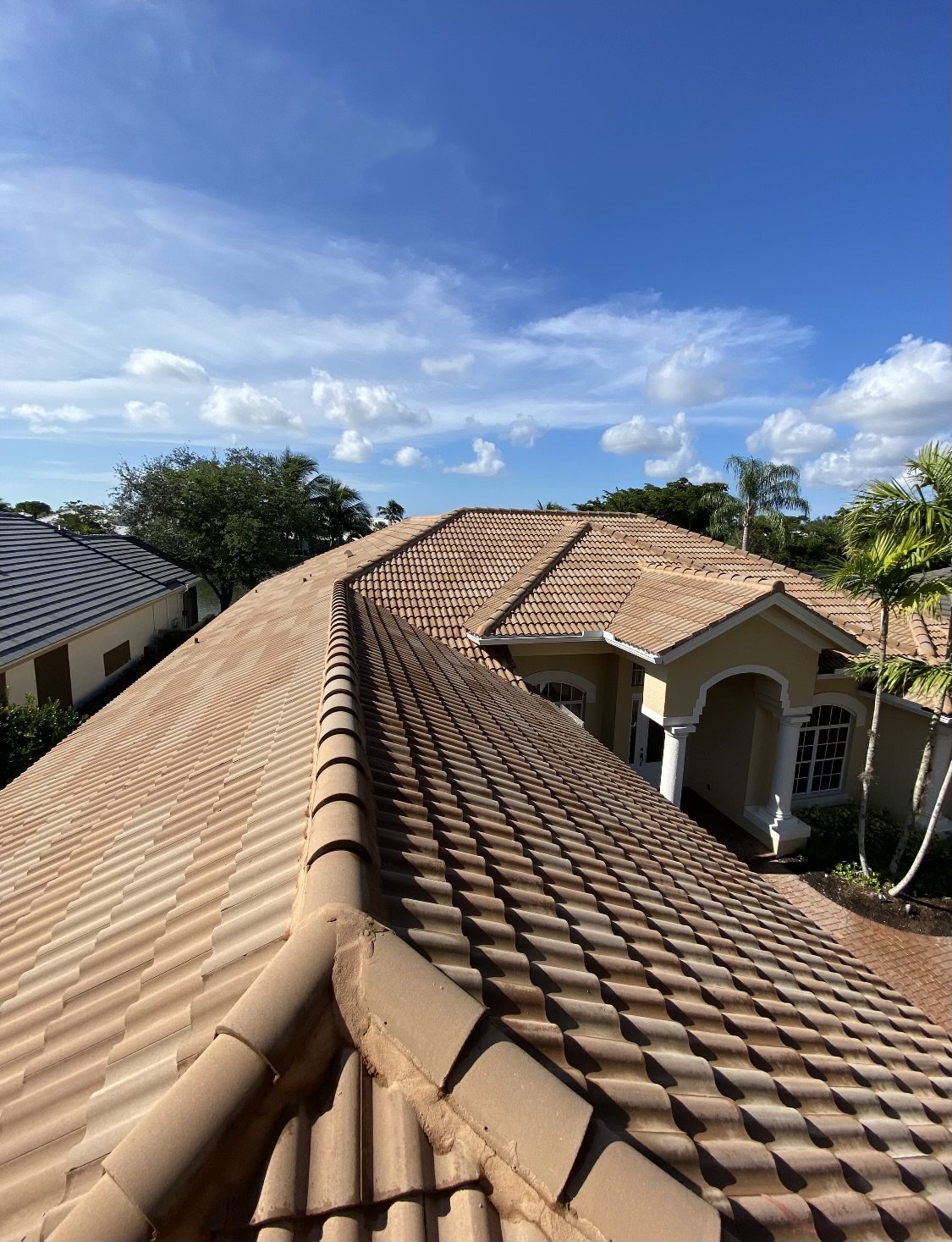
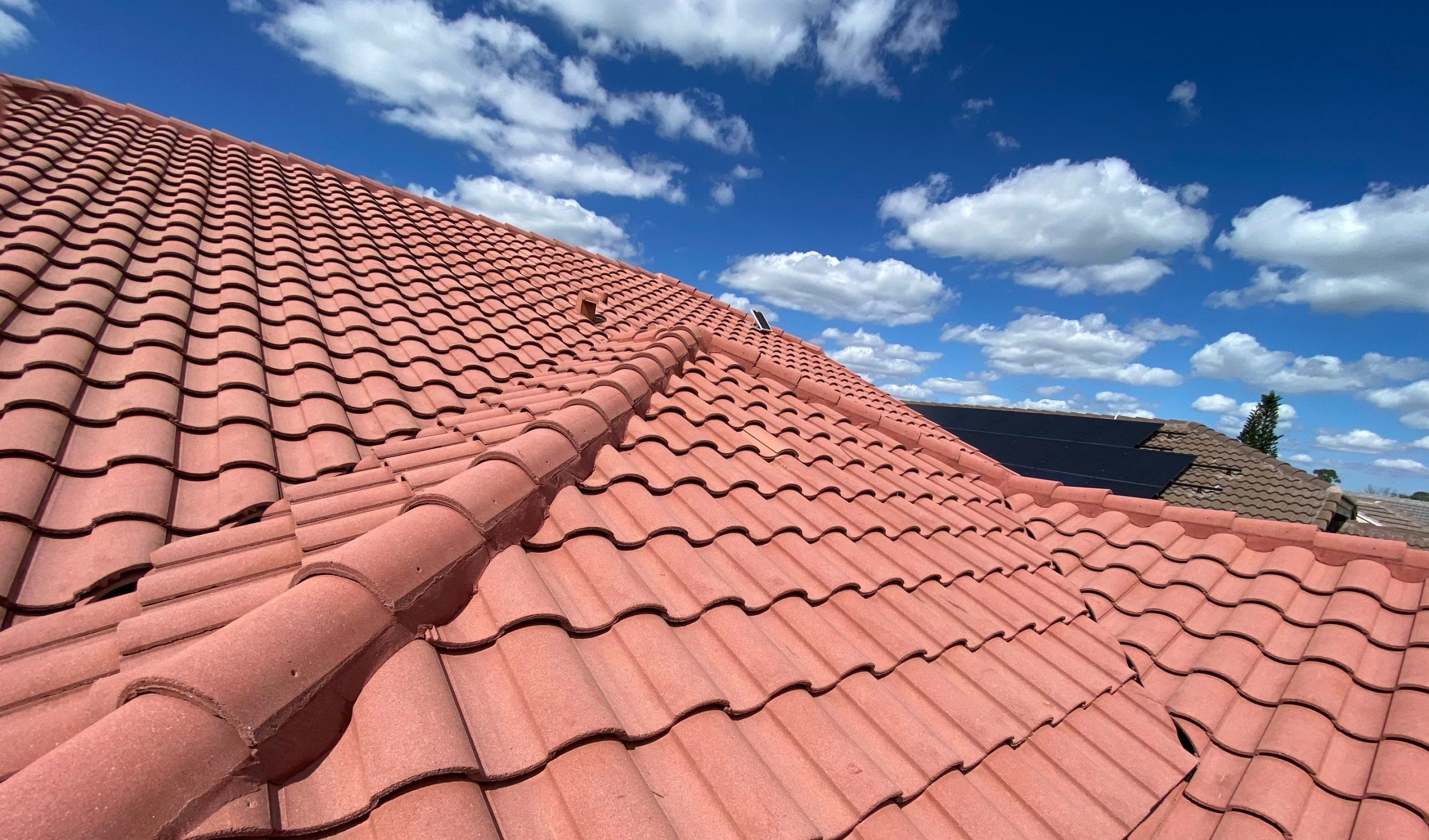
Best Practices in Soft Washing Roofs: Ensuring Longevity of Your Home

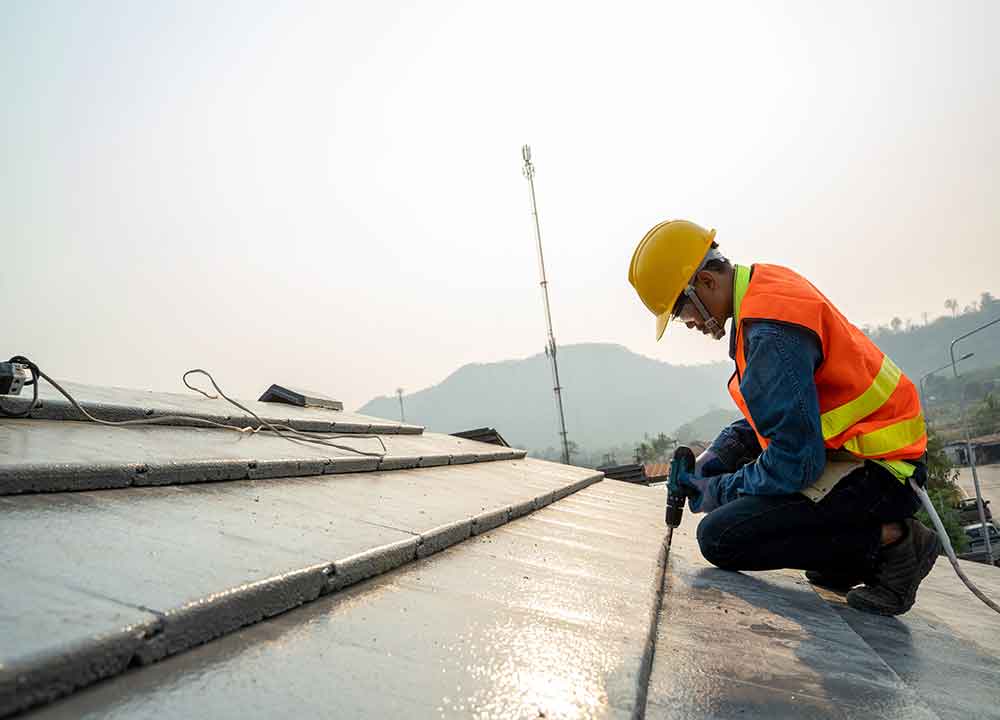
Welcome to the essential guide on soft washing roofs, a method revered for its gentle yet powerful cleaning impact. This technique, distinct from traditional high-pressure washing, employs low-pressure water and specialized cleaning solutions, safeguarding your roof’s integrity and enhancing its aesthetic appeal. In this comprehensive blog post, we unfold the best practices for soft washing roofs, a key to preserving their longevity and beauty.

Understanding Soft Washing

Soft washing, a term synonymous with meticulous roof care, is a cleaning approach that combines low-pressure washing with specific cleaning agents. This section explains the components and benefits of soft washing, contrasting it with high-pressure alternatives. The cleaning solutions employed are both effective and considerate of your roof’s delicacy. For a deeper understanding, refer to our Terms and Definitions for insights into soft washing intricacies.

Benefits of Soft Washing Your Roof

Here, we highlight the unparalleled advantages of soft washing. This method proficiently eradicates organic growths like algae and moss, prevents shingle damage, and significantly extends your roof’s lifespan. Additionally, soft washing amplifies your home’s curb appeal, potentially boosting its market value.

Best Practices in Soft Washing Roofs

Our expert guide details crucial best practices in roof soft washing:
     
      1. Safety First: Prioritizing safety measures is paramount.
      1. Choosing the Right Equipment: Selecting appropriate nozzles and washing equipment.
      1. Correct Cleaning Solutions: Understanding the ideal mix of cleaning agents.
      1. Proper Technique: Employing techniques for uniform and effective cleaning.
      1. Optimal Timing and Frequency: Advising on the ideal schedule for soft washing.
    Each point is crafted to offer comprehensive advice to both homeowners and professionals.

    Common Mistakes to Avoid

    In this segment, we discuss common pitfalls in soft washing, like excessive pressure, unsuitable cleaning solutions, or neglecting safety standards. Avoiding these errors ensures your roof’s longevity and aesthetic appeal.

    Professional Soft Washing Services

    While DIY approaches are viable, professional roof cleaning services guarantee precision and efficiency. This part extols the virtues of expert intervention, from their adept skills to advanced equipment. We encourage exploring our professional soft washing services for optimal results. Concluding our discussion, we reiterate the significance of routine maintenance and the pivotal role of soft washing in upholding both the health and appearance of your roof.

    Blog Author

    Karey Woolsey

    Karey Woolsey is a licensed Florida roofing contractor (License #CCC1332625) and owner of Florida Clean Roof. Florida Clean Roof serves homeowners across Cape Coral, Fort Myers, Bonita Springs, Naples, Estero, Port Charlotte, Punta Gorda, and Southeast Florida including Jupiter, West Palm Beach, Boca Raton, and surrounding communities.

    Articles on This Topic

    More Insights and Expert Tips

    roof watch maintance
    Apr 09 2026

    How to Fix a Roof Leak Before It Becomes a Costly Problem

    Learn how to repair roof leaks with quick fixes, prevent future damage, and reduce repair costs. Protect your home with expert roofing tips.

    Cement roof tiles
    Nov 13 2025

    Can Cement Roof Tile Sealing Prevent Leaks and Save You Thousands in Repairs?

    Cement roof tile sealing is a proactive waterproofing measure that applies a protective coating to concrete tiles to reduce porosity, repel water, and slow UV and...
    Roof Sealant
    Aug 02 2024

    Can Roof Sealant Be Applied in the Rain? | Best Roof Sealants Guide

    Applying roof sealant is a crucial step in maintaining the longevity and integrity of your roof. However, one of the most common questions homeowners and contractors...
    roof broken tiles
    Jun 01 2024

    5 Essential Roof Preparations for Hurricane Season: A Guide for Southwest Florida Homeowners

    Introduction: Living in Southwest Florida, we're all too familiar with the havoc hurricanes can wreak on our homes, especially our roofs. Hurricane Ian, in particular,...
    Brown clay tiles
    Mar 19 2024

    How Do You Know When Roof Tiles Need Replacing?

    Do you know when to replace your roof tiles or which ones to choose? Our guide cuts straight to the point, explaining the telltale signs of wear and the essentials of...
    Prolong Your Roof Life with Soft Washing
    Feb 29 2024

    How Can You Double Your Roof’s Lifespan?

    Prolong Your Roof Life with Soft Washing Tile roof maintenance is synonymous with elegance, durability, and timeless appeal, making it a top choice for homeowners...

    Frequently Asked Questions

    Is a flat roof a good choice for a home in Fort Myers, FL?

    A flat roof works well for specific Fort Myers residential applications, including modern architectural designs, low-slope additions, and properties with rooftop equipment. The key requirements are proper drainage design for Southwest Florida’s rainfall intensity, a membrane or coating system rated for the region’s wind uplift requirements, and installation by a licensed Florida contractor who pulls the required permit. Flat roofs installed to those standards perform reliably in Fort Myers, those installed without them tend to develop problems within a few years.

    How long does a flat roof last in Fort Myers's climate?

    A well-installed flat roof in Fort Myers typically lasts 15 to 25 years depending on the system type. TPO membranes and modified bitumen systems generally land in the 15 to 20 year range. Properly applied silicone or elastomeric coatings on a sound existing membrane can extend that lifespan significantly. UV intensity, salt air exposure, and drainage quality are the three variables that most directly affect how quickly or slowly a flat roof ages in Southwest Florida.

    Which roof type handles hurricanes better in Fort Myers?

    Both flat and pitched roofs can be engineered to handle Fort Myers’s hurricane exposure when built to Florida Building Code standards for Southwest Florida’s wind exposure zone. In practice, metal roofing on a pitched roof currently offers the strongest combination of wind resistance, impact protection, and long-term durability for Fort Myers residential properties. Flat roof systems using mechanically attached or adhered membranes with tested uplift ratings also perform well when installed correctly.

    What maintenance does a flat roof require in Southwest Florida?

    Flat roofs in Fort Myers need inspection and cleaning at least twice per year: once in the spring before hurricane season and once after the rainy season ends in late October. The inspection focuses on drain and scupper clearance, membrane seam and flashing condition, and any areas where ponding has occurred. Small repairs addressed promptly cost a fraction of what deferred maintenance costs when a minor seam separation turns into a full membrane failure.

    Can I put a metal roof on a flat roof structure in Fort Myers?

    Standing seam metal roofing requires a minimum pitch of approximately 1:12 to 2:12 to perform correctly, which sits above the slope of most true flat roofs. Some low-slope metal panel systems are rated for pitches as low as 0.5:12, but these require specific panel profiles and installation details to prevent water infiltration. A structural assessment determines whether your Fort Myers property’s existing framing supports the conversion and whether the slope meets the minimum requirement for the metal system you select.

    How do I know when to replace rather than repair a flat roof in Fort Myers?

    Three signals consistently indicate that replacement makes more financial sense than continued repair on a Fort Myers flat roof. First, if the roof is approaching or past 20 years old and has required multiple repairs in the past three years. Second, if an inspection finds that the insulation layer beneath the membrane has absorbed moisture, which means the damage has progressed beyond the surface. Third, if the existing system does not meet current Florida Building Code wind uplift requirements, which creates both a safety risk and a potential insurance coverage issue for Fort Myers property owners.