Do you know when to replace your roof tiles or which ones to choose? Our guide cuts straight to the point, explaining the telltale signs of wear and the essentials of roof maintenance.
Key Takeaways
- Roof tile materials vary widely, from traditional concrete, clay, and slate to modern composite and solar tiles.
- Visible exterior signs of roof wear, such as cracked or broken tiles, missing tiles post-storm, discoloration, and algae growth. Interior signs like water stains, damp odors, and increased energy bills, indicate the potential need for roof tile replacement.
- Professional roofing services are crucial for both the installation and maintenance of roof tiles to ensure longevity, structural integrity, and energy efficiency.
Exploring Roof Tile Materials
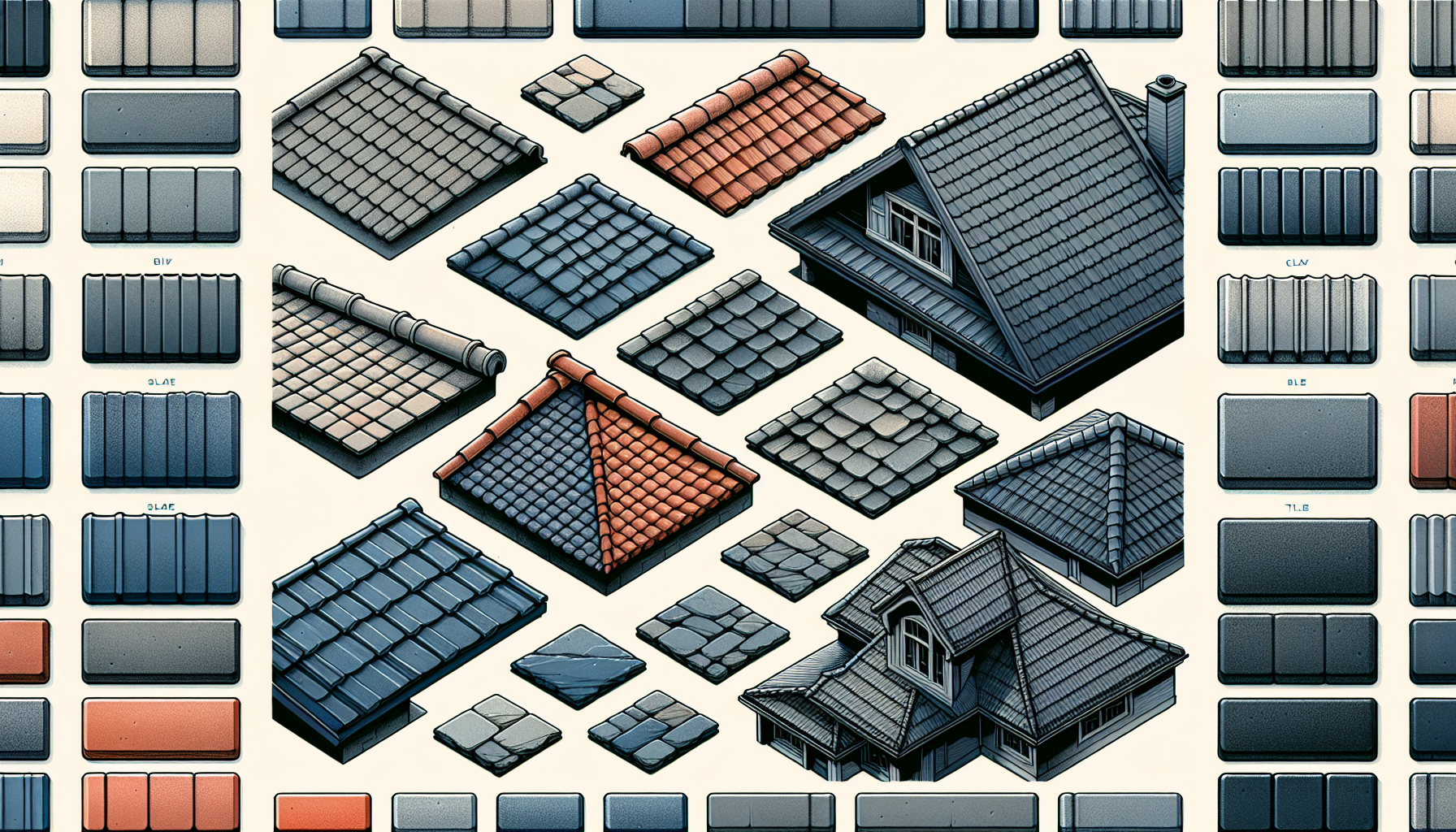
Understanding which roof tile you’re working with is critical for safeguarding and enhancing its appearance. The options at your disposal include:
- Concrete roof tiles
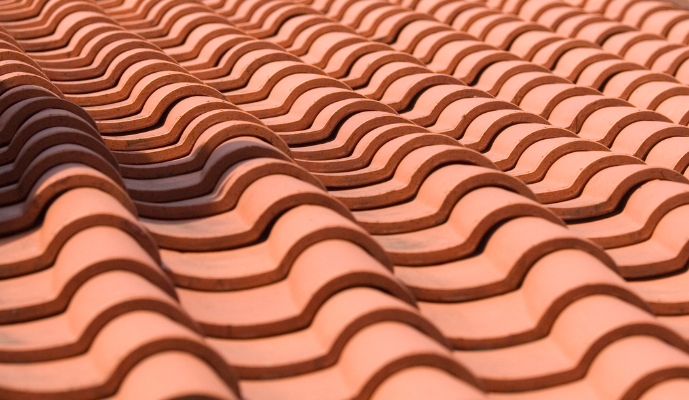
- Clay roof tiles
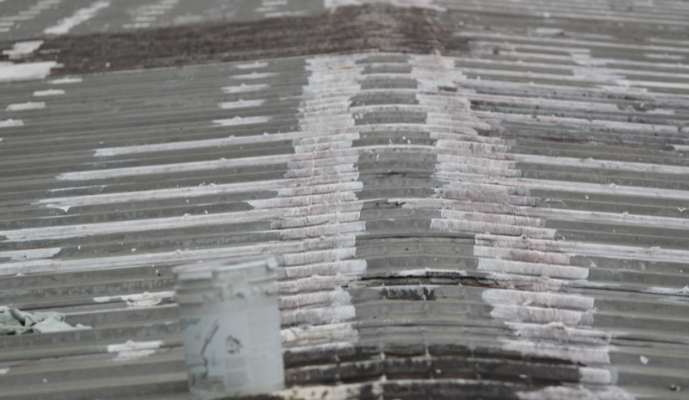
- Metal roof tiles
- Asphalt shingles
- Wood shakes
- Slate tiles
- Ceramic tiles
- Solar roof tiles
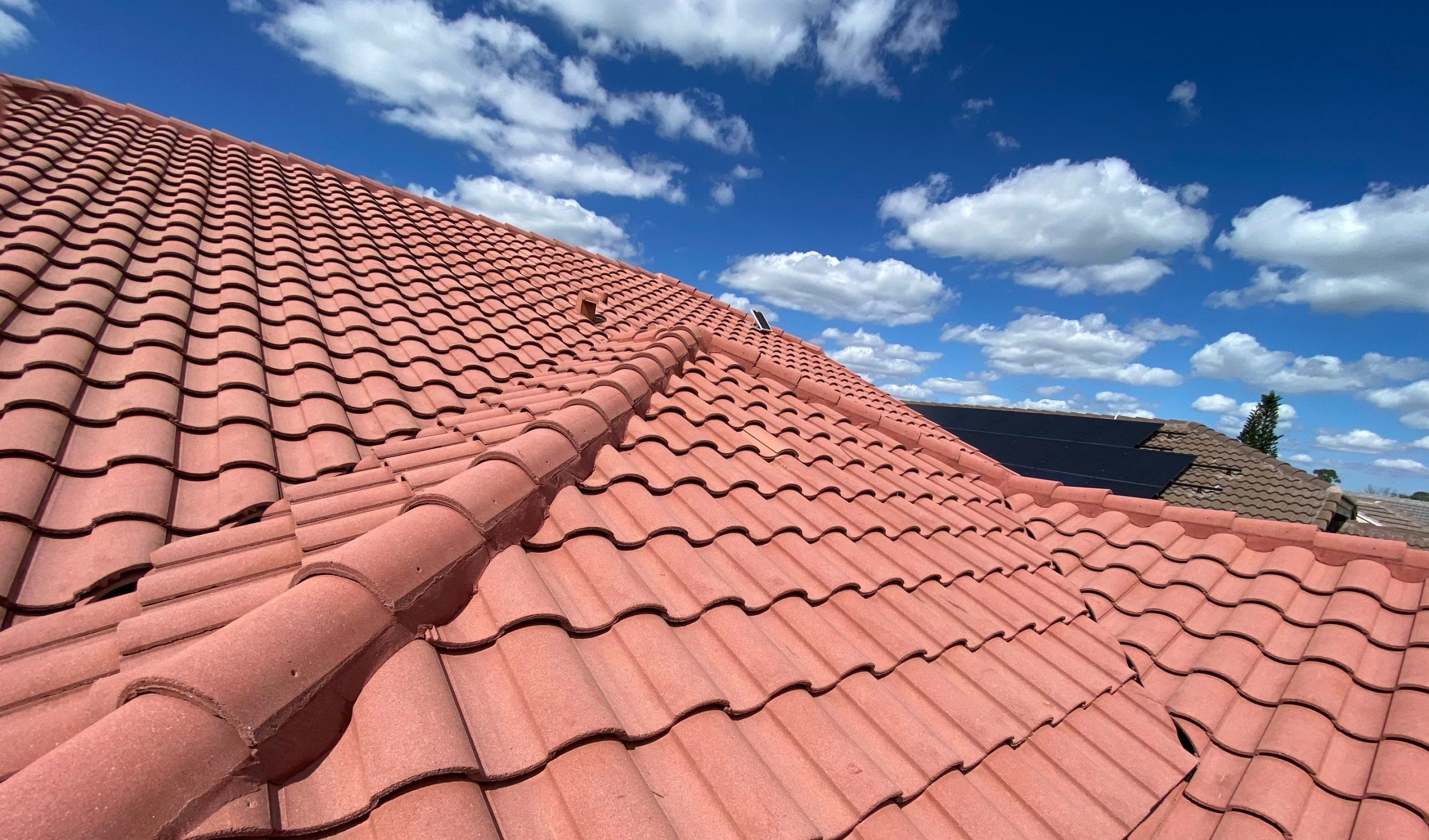
Concrete tile roofing, known for its robustness against extreme weather conditions, provides a diverse palette of colors and styles. Like their counterpart—clay roofs—concrete and clay tile roofs exhibit excellent fire resistance properties. They also contribute to cooler home temperatures in hot regions.
Roofing fashioned from natural slate clay tiles ranks high on durability while delivering an element of elegant antiquity. Although the installation can be challenging, the long-lasting appeal conveyed by slate tile roofs remains unmatched.
Visual Signs of Roof Tile Wear
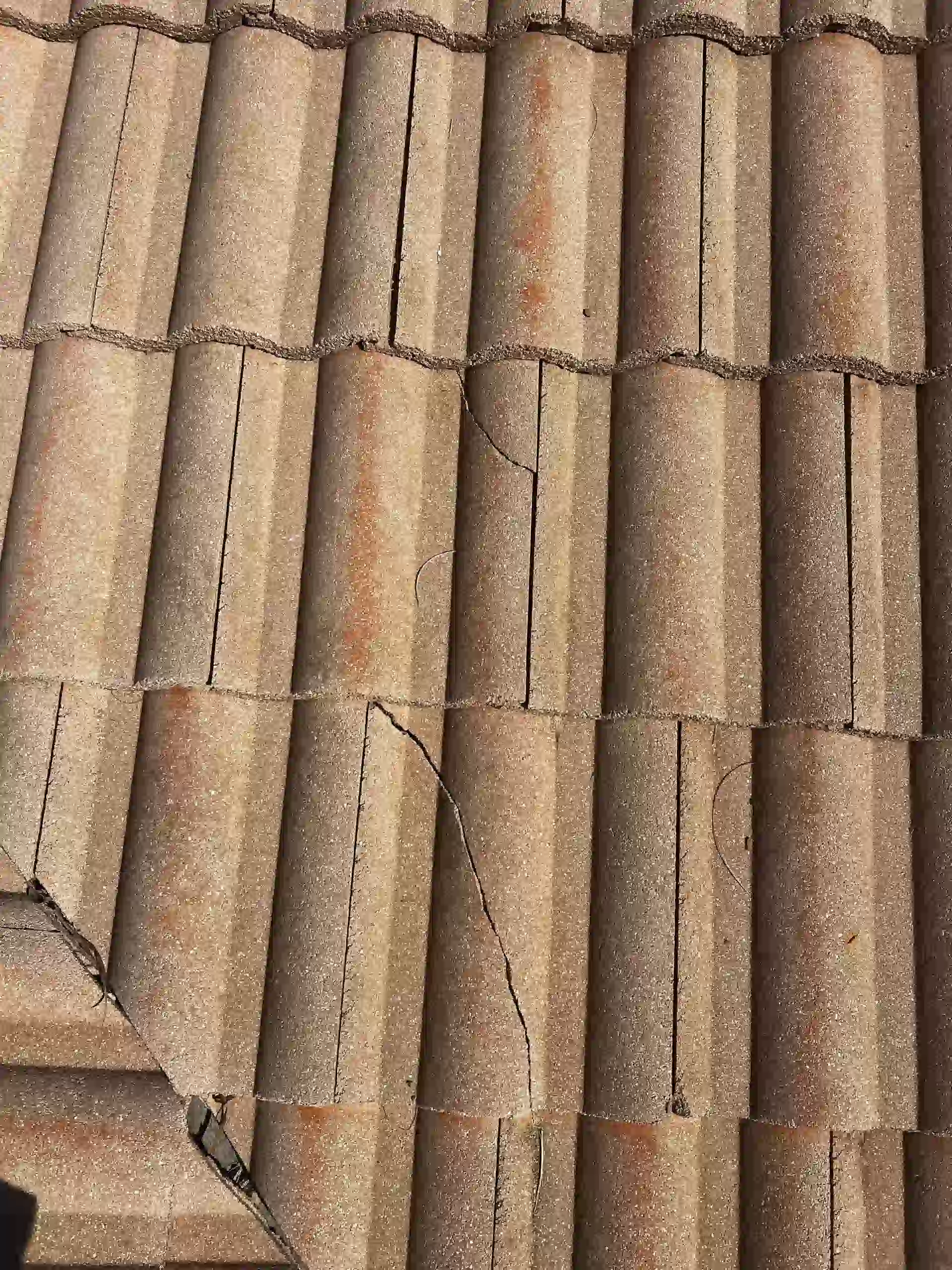
As the most robust roofing materials begin to age, they inevitably exhibit wear and degradation. Recognizing early signs of deterioration can help you intervene promptly and prevent damage. When concrete tiles show cracks or breakage, it’s a significant sign that your top roofing material is no longer fully protected.
In the aftermath of inclement weather conditions, an inspection of flat shingle tiles may uncover that some tiles have been dislodged or gone missing entirely. A serious indication of damage to your roof structure with potential for leakage and consequent internal harm necessitating swift repair action. When roofing tiles start showing discoloration or become host to algae formation. This also suggests retained moisture which could undermine the strength of the tiles in due course.
If you notice any bending or sinking along your rooftop contouring, these are alarming indicators from your roof structure signaling possible deep-seated problems. Such visual signals act as preventative alerts enabling homeowners like you to take decisive measures.
Interior Warning Signals
The interior of concrete roof tile in your home can reveal important clues that suggest the need for a professional roofing assessment. Be on the lookout for:
- Stains or evidence of leakage on ceilings and walls
- Odors indicating dampness or mustiness
- Paint degradation, such as peeling or blistering
- The appearance of sagging in your ceiling
These symptoms are clear indications there may be compromises in the integrity of your roof system. Without prompt attention, these issues might escalate to more extensive structural damage and expensive repairs.
Silent Signals of Roofing Troubles
The presence of mold or mildew within attic spaces acts as a silent warning bell. This issue is an indicator not just concerning aesthetics and health, but often points to underlying excess moisture issues. This could stem from inadequate ventilation linked with roofing problems. Take note if you detect any persistent odors originating from above. This could be related to water damage discreetly affecting your property’s structure.
Professional Inspection Indicators
In the specialized field of roofing, certain indicators that a roof tile may need replacement are subtle and can best be recognized by a professional. During an expert examination of suitable roofing material, several less apparent signs could point to the necessity for replacing your roof tiles. These include:
- The life expectancy of your roof nearing its end signals it might be time for a new installation.
- Tiles that are missing or display cracks
- Water intrusion or damage present within the structure
- A sagging appearance or irregular lines in the construction of the roof
- An accumulation of moss or algae
Should any such symptoms become evident, you might have to contemplate switching out concrete tile roof for your old roof tiles.
Signs of Asphalt Shingle Deterioration and Structural Concerns
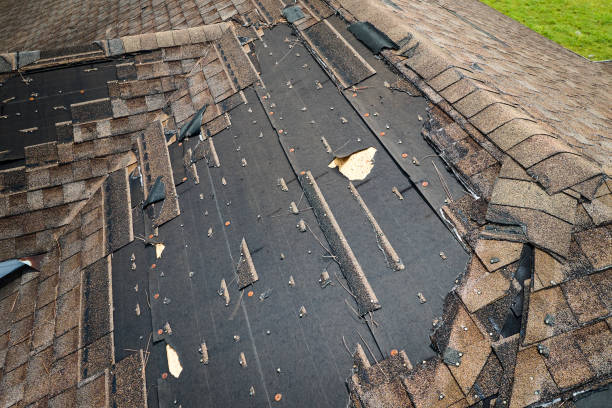
Regarding roofs covered with asphalt shingles flat tiles, loss of granules is critical as this signifies shedding off their protective coating. Feeling softness or sponginess when walking on these roofs often precedes internal structural decay due to moisture infiltration.
A drooping deck and visible deterioration set off major alarms concerning roofing issues. They don’t just detract from visual attractiveness but also raise serious safety concerns. Through conducting an extensive assessment tile roof itself, homeowners will learn whether repair actions suffice.

Why DIY Roofing Poses Threats to Your Investment
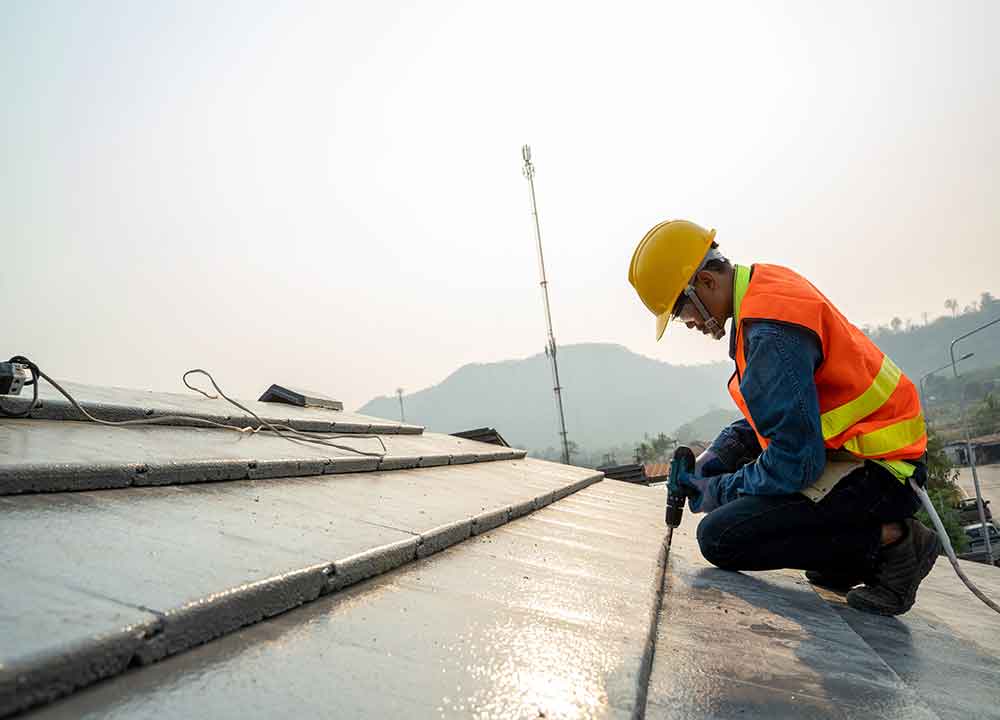
Opting for a DIY approach might appear to be a money-saver, but it carries risks. Lack of expertise may result in environmental damages that insurance policies won’t cover or could invalidate warranties. Professional roofing contractors possess the training required to safely work at heights and address associated dangers during installations or repairs. Rely on professional services that handle these intricate tasks. They ensure the structural integrity and energy efficiency of your rooftop investment.
Expert Roof Replacement Services
When the time comes to replace your roof, choosing anything but professional service could turn out to be a costly blunder. Florida Clean Roof stands as the epitome of roofing mastery, providing:
- Meticulous installation methods that yield a durable and lasting roof
- Dedication to exceptional craftsmanship with top-tier materials
- The guarantee is that your new roof will be more than just shelter. It’ll be a work of art.
The specialists at Florida Clean Roof are versed in handling an array of materials including classic and traditional clay tiles, roof tiles and innovative solar tiles. Their skill ensures each tile is installed flawlessly, creating not only an aesthetically pleasing new roof but one that’s sturdy as well.
Summary
Regular vigilance for both exterior and interior warning signs can prevent minor issues from spiraling into major concerns. And when the time comes for replacement, the expertise of professionals like Florida Clean Roof ensures that your new roof is installed with the precision and care it deserves.