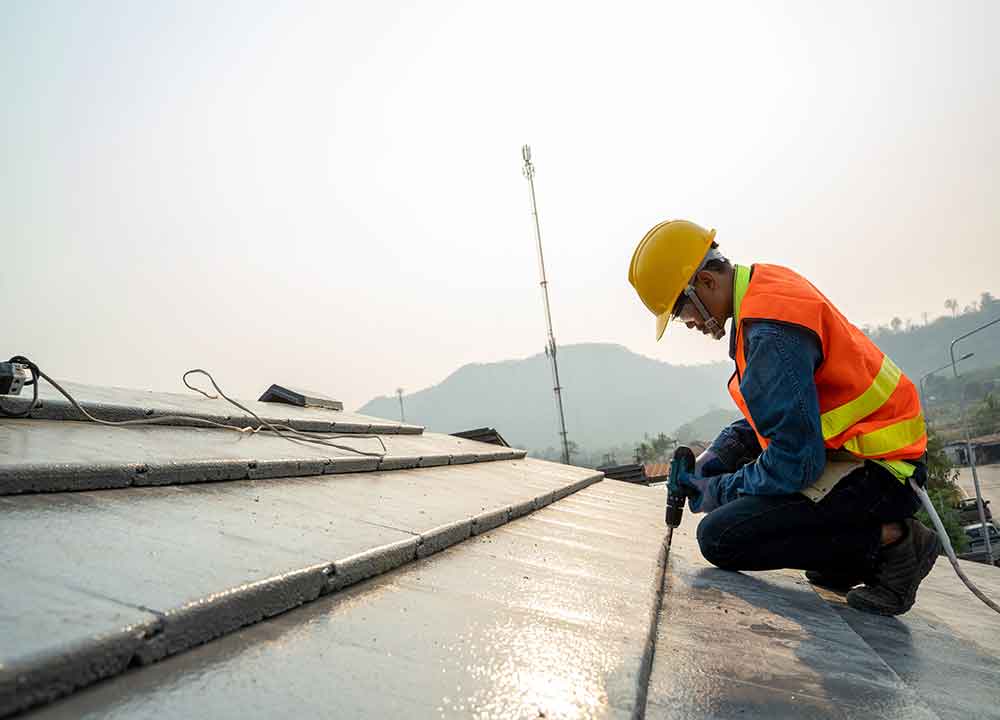
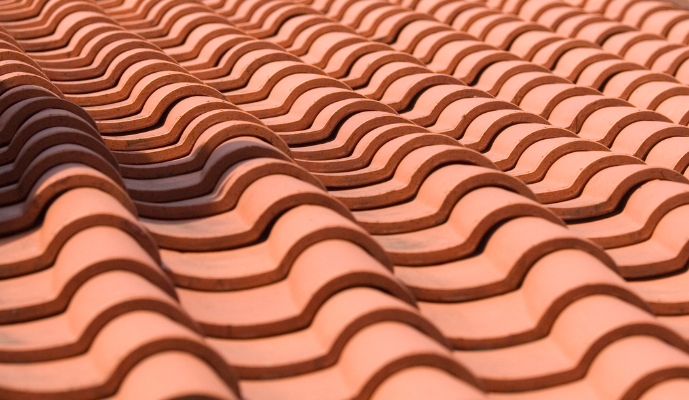
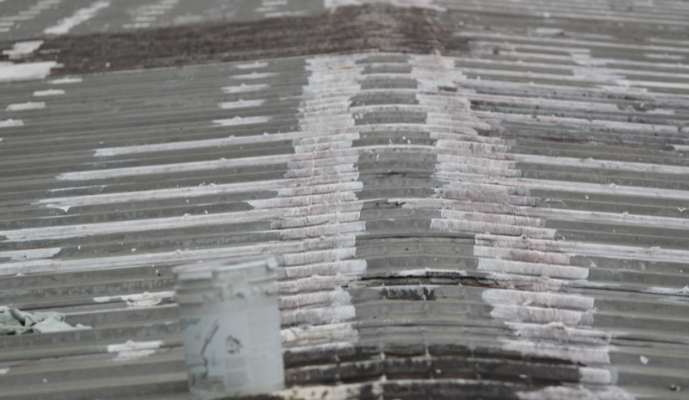
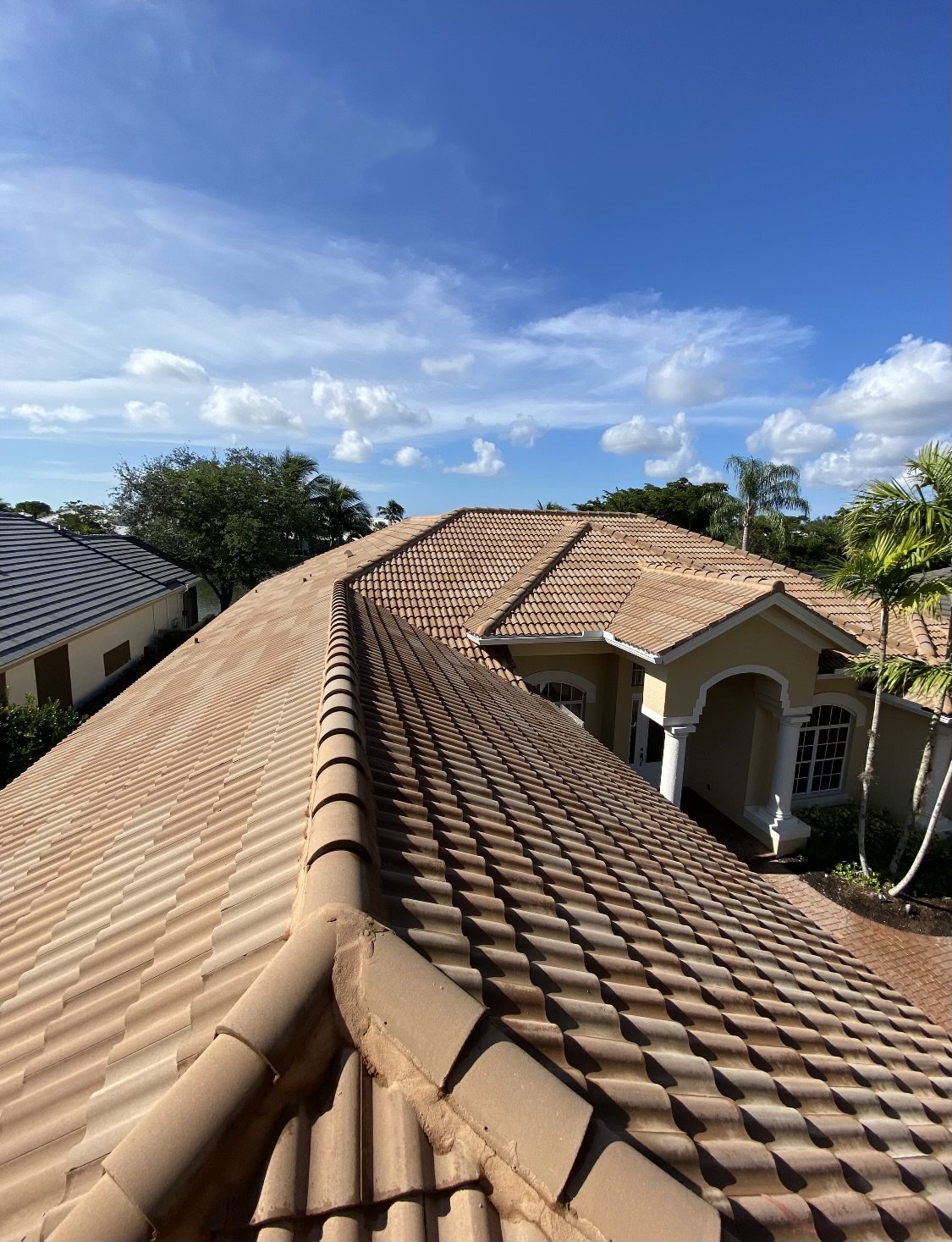
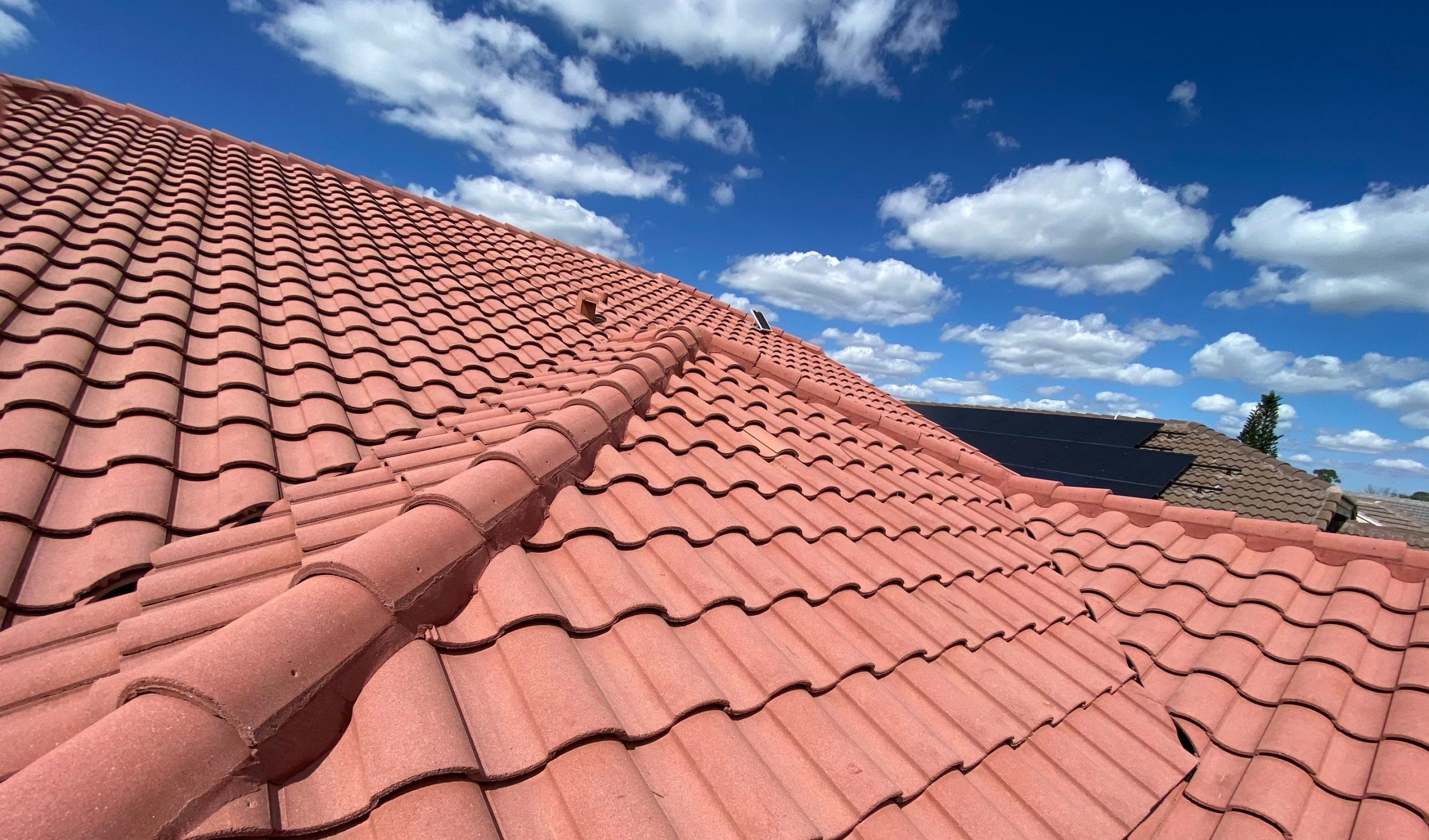
What is a t-lock roof shingle? A t-lock shingle is a type of roofing material known for its interlocking design that provides enhanced durability and wind resistance. Used extensively from the 1930s to the 1980s, these shingles were a popular choice for older homes due to their robustness. This blog delves into their unique design, benefits, and eventual decline.
Key Takeaways
-
T-lock shingles feature a unique interlocking design that enhances durability and weather resistance, making them suitable for extreme weather conditions.
-
These shingles require low maintenance compared to traditional asphalt shingles, offering homeowners ease and reducing long-term costs.
-
Despite their advantages, T-lock shingles have declined in popularity due to the discontinuation of production and the rise of more advanced roofing alternatives.
Understanding T Lock Shingles
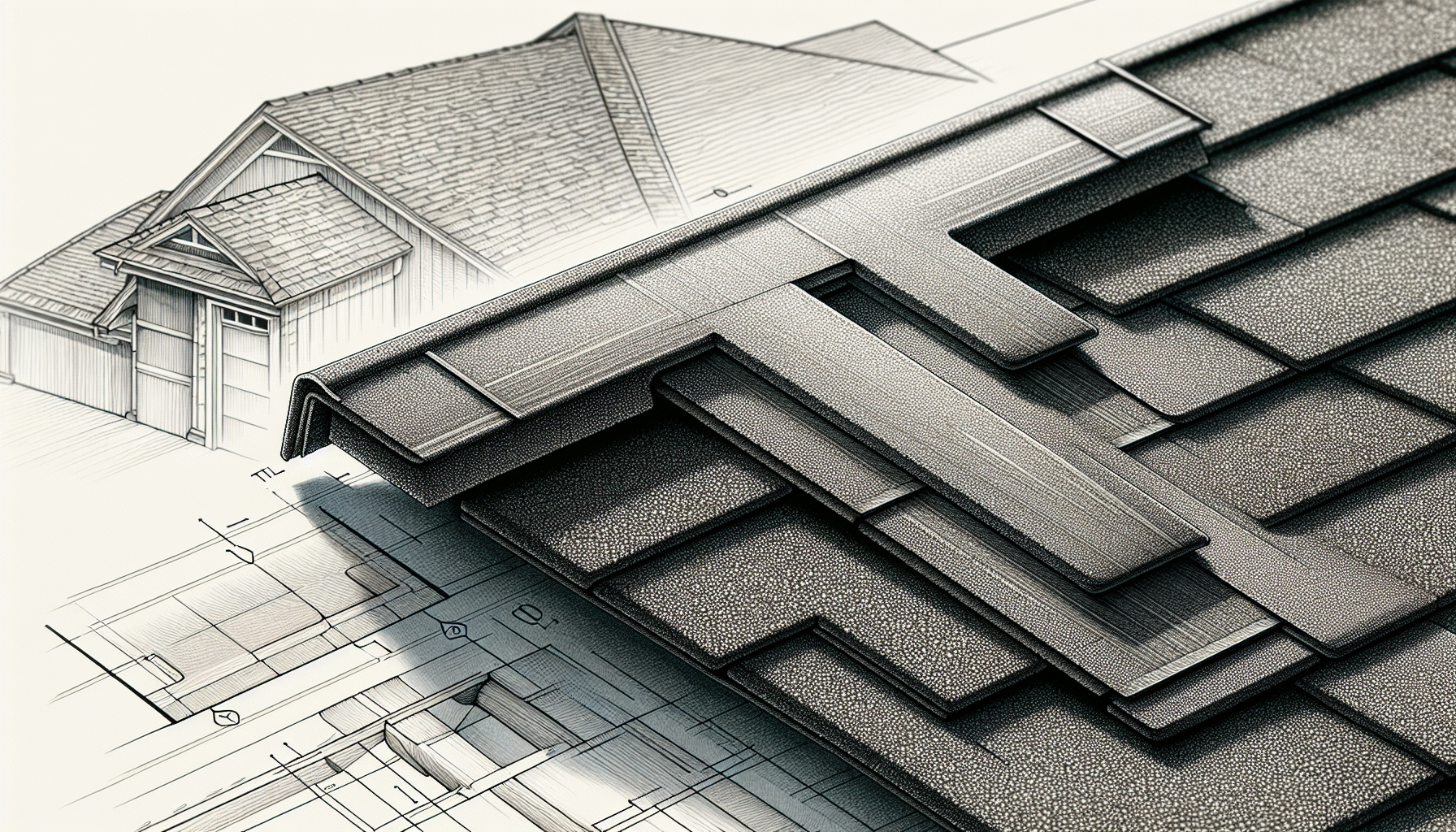
T-lock shingles are characterized by their distinctive interlocking profile, setting them apart from other roofing materials. They were a prevalent choice for roofs from the 1930s until the 1980s and can still be seen in older houses today. The T-shaped design of these shingles allows them to interlock securely, offering robust protection against high winds and extreme weather conditions while enhancing the roof’s overall strength.
Unlike standard roofing shingles which rely on adhesive strips for attachment, T-lock shingles employ both an interlocking pattern and fasteners to maintain stability. This construction method bolsters the entire rooftop’s structural integrity and promotes a waterproof barrier. Due to this locking mechanism, they have shown superior resilience in inclement weather environments.
Originally considered cutting-edge due to their innovative approach to roof replacement, T-lock shingle designs had long served as a reliable option in roofing technology. Over time though, advancements made within this field along with shifts in consumer preferences leading up to now have seen their use become less common.
Benefits of T-Lock Shingles

Homeowners have favored t-lock shingles due to their resilience and ability to withstand harsh weather conditions, coupled with the added advantages of requiring minimal upkeep and offering an attractive look.
Durability and Weather Resistance
One of the standout features of T-lock shingles is their remarkable durability. Designed to withstand extreme weather conditions, these shingles provide exceptional protection for homes in various climates. The interlocking design ensures that each shingle stays securely in place, reducing the risk of wind damage and other weather-related issues.
T-lock shingles are particularly noted for their ability to resist wind, rain, and hail, making them suitable for regions prone to severe weather. Following a detailed installation guide can significantly enhance their effectiveness and lifespan, ensuring your roof has optimal performance against the elements. This durability offers homeowners peace of mind, knowing that their roof can handle whatever Mother Nature throws its way.
In addition to their weather resistance, the longevity of T-lock shingles is a significant advantage. Homeowners who choose these shingles can rest assured that their roofs will remain intact and functional for many years, providing the homeowner with a reliable barrier against the elements.
Low Maintenance Requirements
The ease of repair and upkeep is a key advantage for homeowners opting for T-lock shingles. These shingles are designed to outperform regular asphalt shingles, which typically require consistent sealing and patching. In contrast, T-lock variants primarily need occasional cleaning to get rid of accumulated debris and maintain their condition.
Homeowners benefit from t locks for not only the time saved due to less frequent maintenance demands but also the potential reduction in cumulative roofing expenses over time. The allure of T-lock shingles lies in their ability to offer a roofing solution that doesn’t necessitate continuous oversight or care.
Compared with other types of roofing materials on the market, T-lock shingle roofs require far simpler care routines. This aspect new roof also guarantees that property owners can relish having an aesthetically pleasing and durable roof without being burdened by ongoing repair work or intricate preservation practices.
Aesthetic Appeal
T-lock shingles are not just about function; they also offer considerable aesthetic appeal. Available in a wide variety of colors and styles, these shingles allow homeowners to match their roof to their home’s design. This flexibility in design can significantly enhance a home’s curb appeal, making it look more attractive and well-maintained.
A wide range of colors and styles allows homeowners to select options that complement their property’s architectural design. Whether aiming for a traditional look or a more modern aesthetic, T-lock shingles can provide the desired visual effect.
Replacing T-lock shingles can boost the overall market value of a home. Their enhanced aesthetic appeal and reputation for durability and low maintenance can make the actual cash value of a property more attractive to potential buyers.
T Lock Shingles vs. Asphalt Shingles

When weighing T-lock shingles against standard asphalt shingles, distinct variations stand out. The robustness and endurance of T-lock shingles are bolstered by their greater thickness, which equips them to better withstand a range of meteorological challenges. Their enhanced thickness delivers augmented defense from the rigors of regions battered by persistent high winds and substantial rainfall.
The hallmark interlocking pattern that characterizes T-lock shingles distinguishes them from typical asphalt variants. It’s this distinctive configuration that grants them superior steadiness in tempestuous conditions, diminishing potential harm as well as obviating the call for constant repairs. On the contrary side of things, conventional asphalt shingles might not fare so well. They tend to be more vulnerable when faced with extreme weather scenarios where they could lift or even get torn away.
The Decline of T-Lock Shingles
T-lock shingles, while they once had various advantages, ceased production around 2006 due to the emergence of more advanced and durable roofing materials. The advent of other innovative technologies in roofing that incorporated synthetic fillers greatly reduced the reliance on T-lock shingle systems.
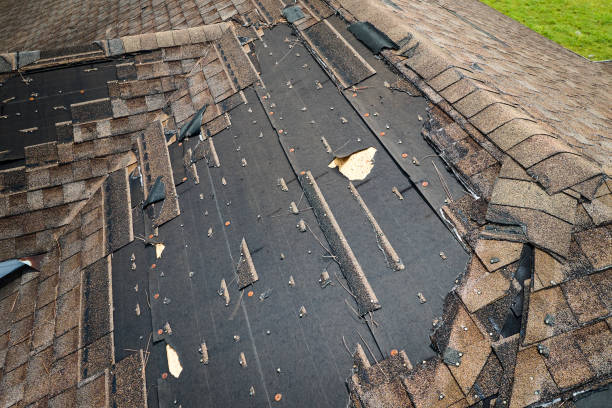
Over time, as T-lock roofs age, their vulnerability to damage increases since these shingles tend to become brittle and prone to cracking. This fragility makes replacing it problematic for homeowners who need repairs or complete replacement of their roofs, especially considering that T-lock shingles are no longer manufactured.
The discontinuation and resulting susceptibility issues have led many insurance companies to regard homes with T-lock roof systems as carrying a higher risk factor. As a result, securing insurance coverage can be troublesome because insurers recognize the challenges associated with sourcing materials for repair or replacement jobs involving or replacing these specific types of lock shingles.
Due largely to increased insurance deductibles and limited options in terms of coverage provided by insurance firms concerning T-lock roofs, homeowners frequently opt out of using this type of system. Instead, they choose newer alternatives when selecting new roof installations which not only perform better but also facilitate obtaining easier access under standard homeowner’s insurance plans for future replacements or repairs.
Alternatives to T Lock Shingles

With the production of T-lock shingles halted, homeowners have turned to various modern alternatives. Advancements in roofing technology have introduced options like synthetic asphalt shingles, which mimic the traditional look of asphalt but with enhanced strength and easier installation. Fiberglass shingles are another popular choice, known for their durability and resistance to moisture.
Metal roofing, including aluminum and steel, offers exceptional protection against harsh weather conditions and surpasses T-lock shingles in durability. These materials are robust and come in various styles, allowing homeowners to achieve the desired aesthetic while benefiting from superior performance.
Additionally, alternatives like plastic composite shingles and rubber roofing provide budget-friendly options with varying levels of maintenance and durability. Each modern roofing material offers unique benefits, giving homeowners the flexibility to choose the best option for their specific needs and preferences.
Summary
T-lock shingles were once a favored option for roofing, recognized for their distinctive interlocking design that provided durability and visual appeal. With progress in roofing technology introducing more advanced materials, the popularity of T-lock shingles has waned. Even though they face challenges like increased brittleness as they age and complications regarding insurance coverage, these lock shingles remain an integral part of the evolution in roofing.
When homeowners are weighing their options for either new roofs or roof replacement projects, it’s valuable to comprehend both the strengths and weaknesses of T-lock shingles. Deciding between contemporary alternatives or a traditional approach involves picking a material that strikes an equilibrium between longevity, beauty, and ease of upkeep. For more information on roofing shingles and cleaning, head over to Florida Clean Roof.