When it comes to maintaining the cleanliness and longevity of your roof, choosing a suitable cleaning method is crucial. In this article, we’ll delve into the world of soft washing and pressure washing, two popular methods for roof cleaning. Understanding their differences, benefits, and appropriate applications is key to ensuring your roof remains in top condition.
What is Soft Washing?
Soft washing is a gentle yet effective cleaning method that uses low-pressure water combined with specialized cleaning solutions. This method suits delicate surfaces like roofs, where high pressure can cause damage. The cleaning solution used in soft washing typically includes algaecides, mildewcides, and surfactants, which work together to remove dirt, algae, and mildew.
What is Pressure Washing?
Pressure washing, on the other hand, involves the use of high-pressure water to blast away dirt, grime, and other build-ups. This method is more aggressive and is often used for more complex surfaces like concrete and metal. However, when it comes to roofs, pressure washing requires careful consideration to avoid damage.
Pros and Cons of Soft Washing
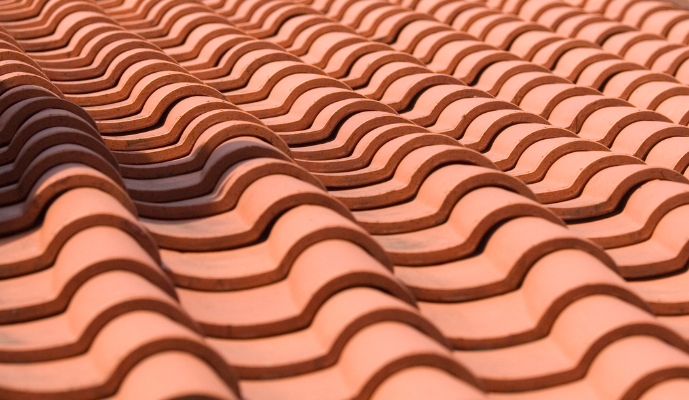
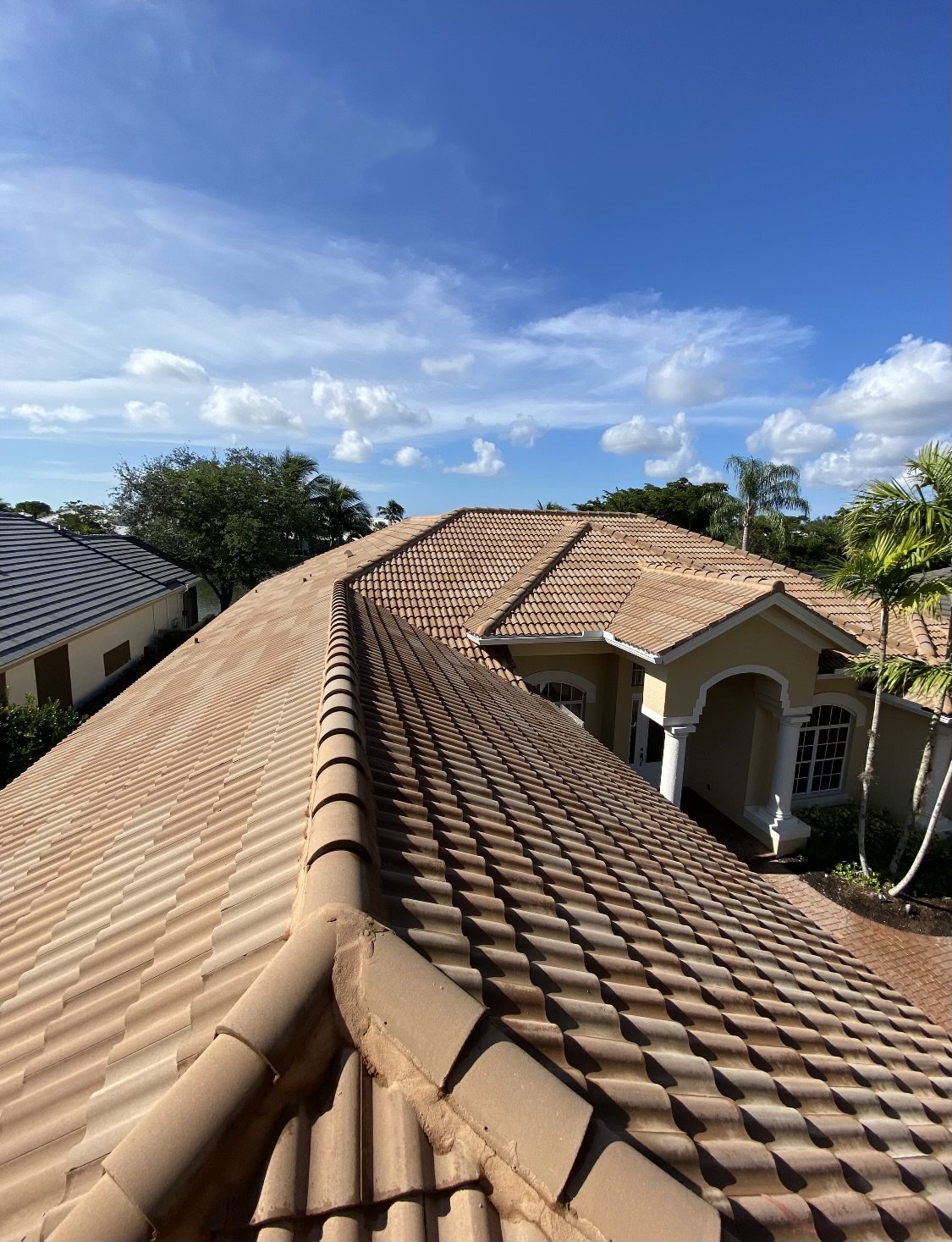
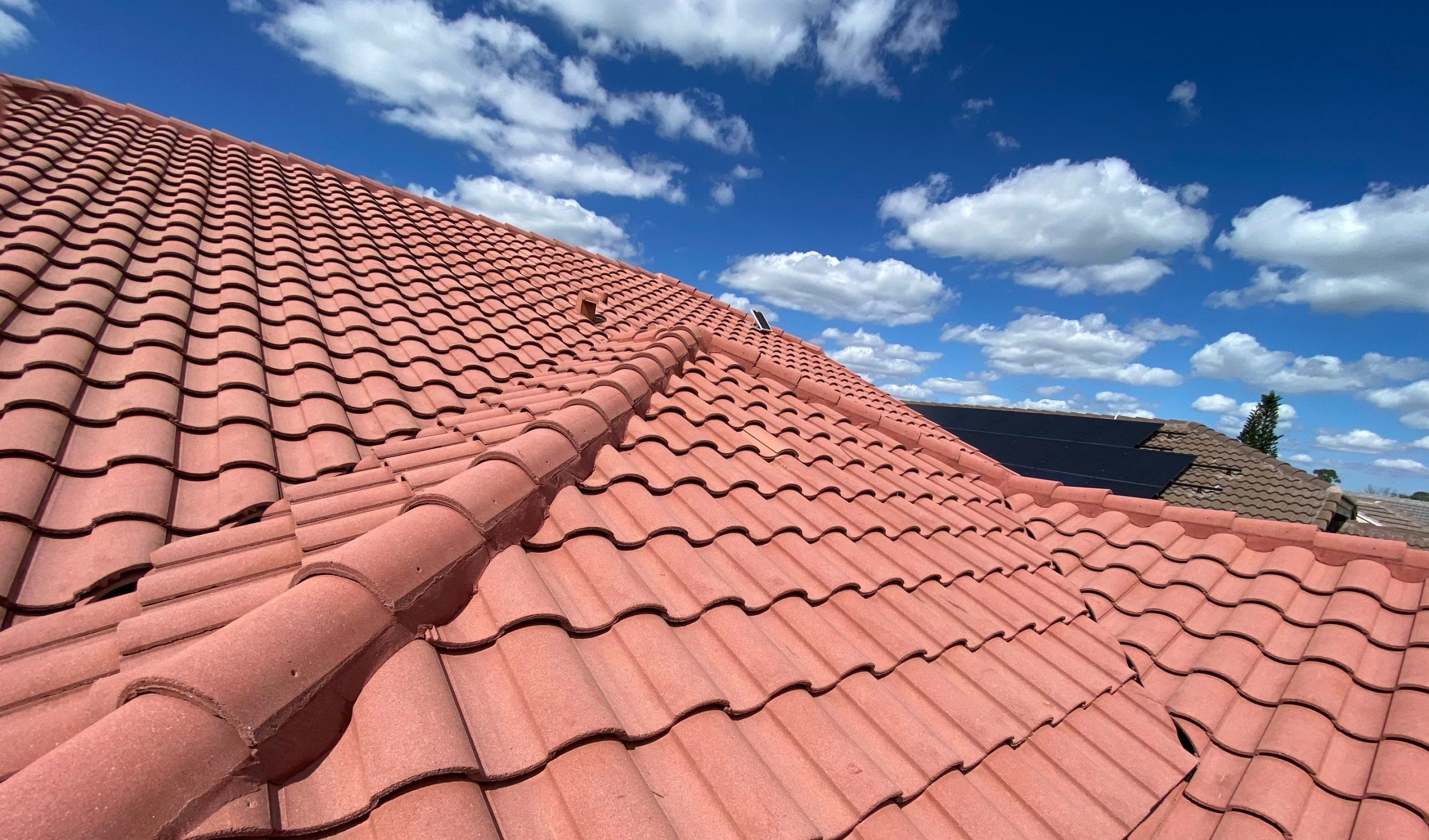
When considering the best care for your tile roof, soft washing stands out as the optimal choice. This method is particularly gentle on delicate surfaces, making it perfect for the unique needs of tile roofing. It effectively eliminates algae, mold, and mildew, ensuring a clean appearance and preventing potential long-term damage. Moreover, the results of soft washing are longer-lasting due to the specialized cleaning agents used. While it may not be as effective on extremely tough stains and requires professional handling, the benefits far outweigh these considerations. In contrast, pressure washing, though quick in removing stubborn grime, poses a risk to fragile roof materials like tiles, potentially causing damage or water infiltration. Therefore, for maintaining the beauty and integrity of your tile roof, investing in professional soft washing services is a wise and effective decision.
Choosing the Right Method for Roof Cleaning
Selecting between soft washing and pressure washing depends on your roof’s material, condition, and the type of dirt or growth present. Soft washing is often the safer choice for delicate roofs or those with algae or mildew growth. Pressure washing may be suitable for more resilient materials and removing stubborn dirt.
Key Differences Between Soft Washing and Pressure Washing
The main differences lie in the water pressure (PSI) and the cleaning solutions used. Soft washing uses lower PSI and relies more on the cleaning agents, while pressure washing uses high PSI with plain water or a mild detergent.
Signs Your Roof Needs Cleaning
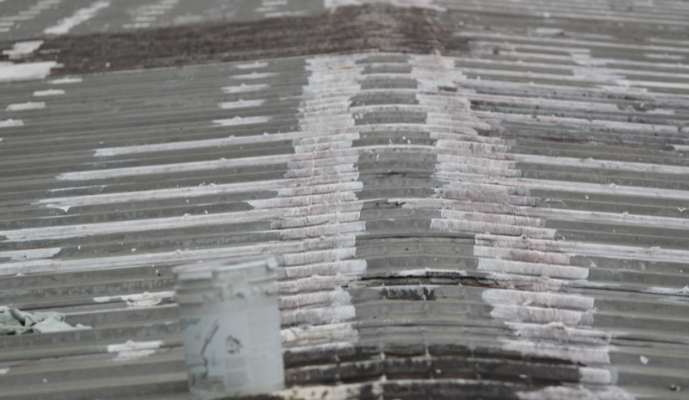
Look out for dark streaks, moss, algae growth, or an overall dull appearance. These signs indicate it’s time for a thorough cleaning to improve aesthetics and prevent potential damage.
Hiring Professional Soft Washing or Pressure Washing Services
For best results and to avoid damage, hiring professional cleaning services is advisable. They have the expertise, equipment, and appropriate cleaning solutions to effectively and safely clean your roof.
Both soft washing and pressure washing have their place in roof maintenance. Understanding their differences and applications ensures you choose the correct method for your specific needs, preserving the integrity and appearance of your roof.
FAQs:
- Can I use a pressure washer for soft washing? No, soft washing requires specialized equipment to deliver cleaning solutions at low pressure.
- What are the main differences between soft washing and pressure washing for roof cleaning? The main differences are the pressure used and the cleaning solutions. Soft washing uses lower pressure and specialized solutions, while pressure washing relies on high pressure.
- How much does it cost to have a house soft washed? The cost varies depending on the size of the house and the complexity of the job. It’s best to get quotes from professional services.