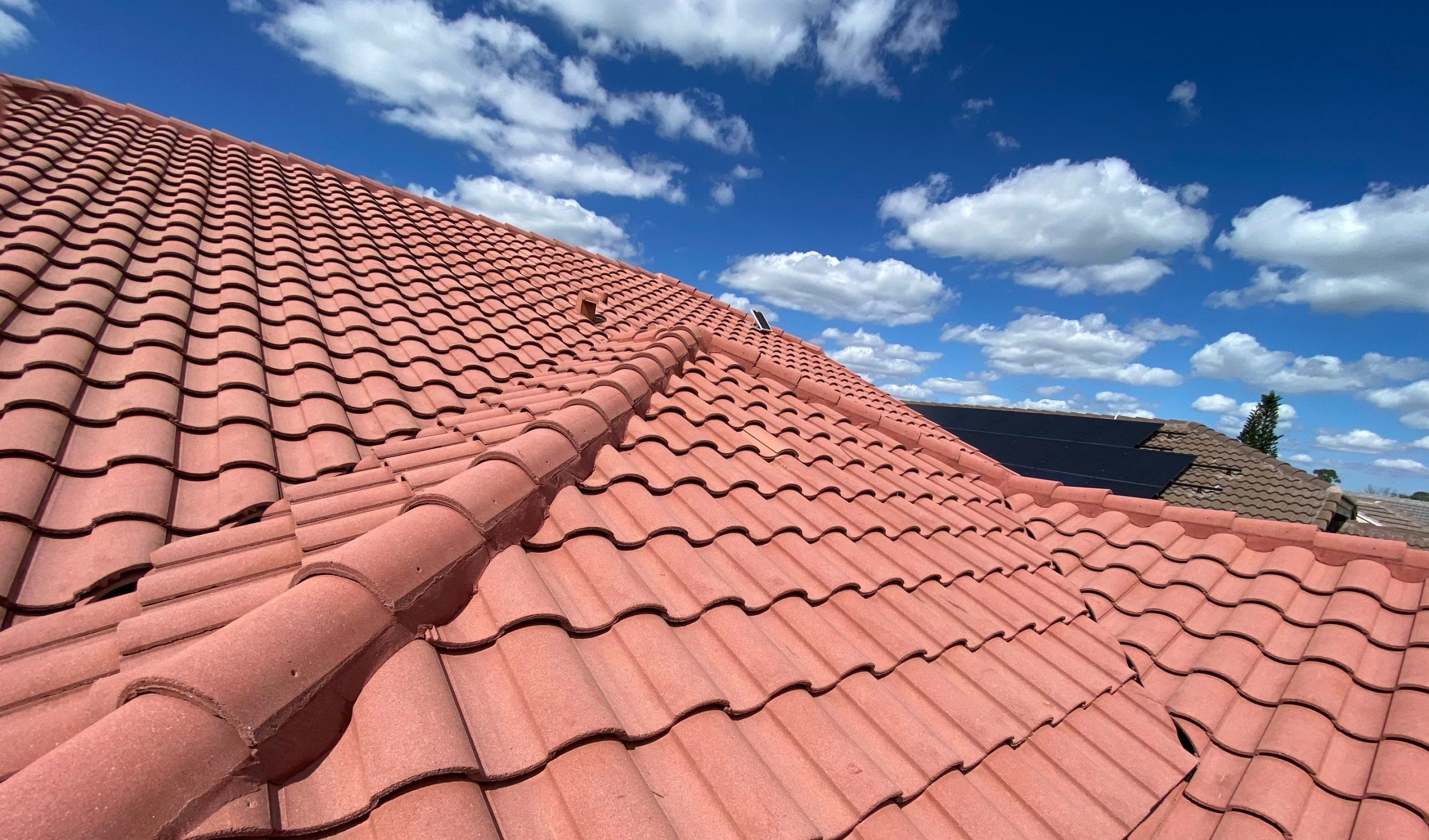
Cement roof tile sealing is a proactive waterproofing measure that applies a protective coating to concrete tiles to reduce porosity, repel water, and slow UV and biological degradation.
Homeowners facing recurring leaks, moss growth, or accelerated tile wear will learn when sealing prevents moisture ingress and when underlayment or flashing repairs are the only long-term solution. Readers will also find climate-specific resealing intervals, a comparison of acrylic, silicone, polyurethane and penetrating sealants, and clear inspection and maintenance checklists to maximize leak protection and extend tile lifespan. Throughout, key terms like roof sealing services, tile roof maintenance, roof waterproofing, and concrete roof tile sealer are woven into actionable recommendations so you can assess ROI and choose the right maintenance path for your roof.
What Are the Common Causes of Leaks in Cement Roof Tile Roofs?
Cement tile roofs leak when water finds a continuous path through tiles, flashing, or the underlayment — typically driven by material porosity, broken/slipped tiles, or failed secondary barriers. Understanding these failure modes clarifies what sealing can and cannot fix: sealing reduces absorption and surface micro-cracks, but it cannot restore a ripped underlayment or improperly installed flashing. Environmental stressors such as intense UV, freeze-thaw cycles, and biological growth accelerate tile surface breakdown and create conditions where small breaches grow into active leaks. The following breakdown shows the typical contributors to leaks and where inspections should focus to prevent hidden failures.
Common causes of tile-roof leaks include:
- Tile porosity and water absorption that allow moisture to penetrate toward the underlayment.
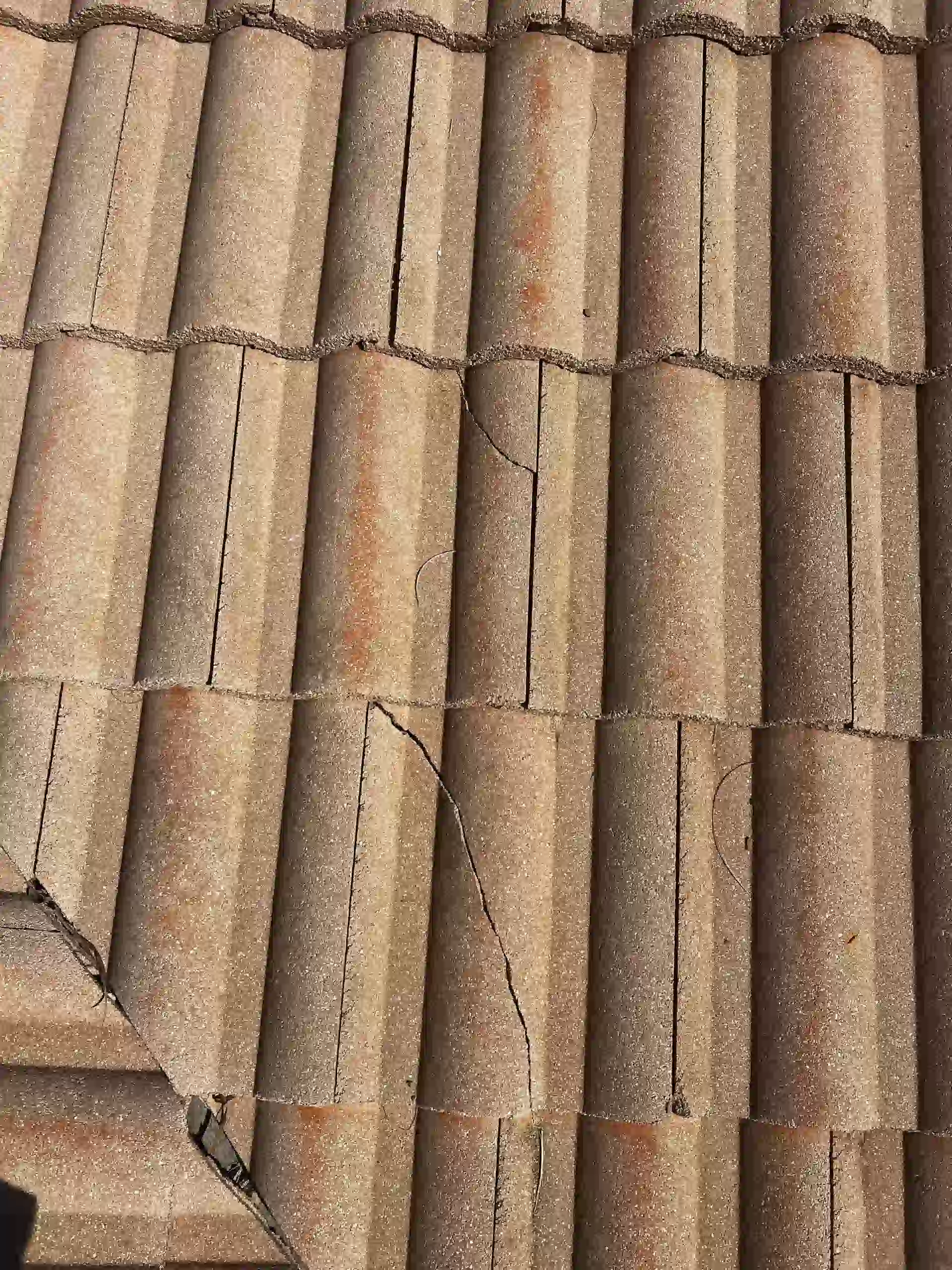
- Cracked, slipped, or broken tiles that create direct water pathways into valleys and fascia.
- Degraded underlayment or failed flashing that eliminate the roof’s continuous waterproof barrier.
- Environmental damage — UV, freeze-thaw cycles, and moss/algae growth — that accelerates surface failure.
These causes indicate different remedies: surface sealing addresses porosity and slows degradation, while flashing and underlayment failures demand targeted repair or replacement to stop active leaks and prevent structural damage.
How Does Tile Porosity and Water Absorption Contribute to Roof Leaks?
Tile porosity describes the microscopic voids in cement tiles that allow water to be absorbed into the tile body; high absorption increases the chance of water migrating to the underlayment or freezing and cracking in cold climates. This material property means tiles can act like sponges during sustained rain, slowly transferring moisture downward even without visible tile breakage. Over time, repeated wetting and drying cycles enlarge pores and micro-cracks, increasing permeability and the risk of leaks. Addressing porosity with a hydrophobic sealer reduces water uptake, lowers freeze-thaw stress, and diminishes the frequency of moisture-related underlayment exposure.
Understanding porosity links directly to inspection priorities: tiles with high absorption rates should be monitored more frequently and prioritized for sealing, while tiles with visible cracks or spalls require immediate repair to prevent direct water ingress.
Silane and Siloxane Treatments for Cementitious Materials: Enhancing Durability and Sealing Porosity
Cementitious materials, extensively employed in modern construction, are susceptible to degradation due to their inherent porosity. Surface treatment methodologies offer a practical, efficient, and user-friendly approach to significantly improve their durability. Among various surface protection agents, silanes and siloxanes are widely used for hydrophobic modification and sealing of cementitious pore structures. This review summarizes the current advancements in the application of silane and siloxane materials. It covers their hydrophobicity mechanisms, different material types, and highlights the advantages and disadvantages of each. Furthermore, the effects of silane and siloxane surface treatments on cementitious material properties are examined, including hydrophobicity, resistance to chloride ingress, freeze-thaw cycles, and salt freezing. Despite demonstrating significant effects, their role in carbonation resistance remains a subject of debate. Finally, this review outlines future research directions focused on enhancing carbonation resistance mechanisms and investigating long-term performance. A review on silane and siloxane materials: Enhancing durability of cementitious materials through surface treatments, 2024
Research indicates that silanes and siloxanes are effective in reducing the porosity of cementitious materials, thereby enhancing their durability and sealing capabilities.
What Role Do Underlayment and Flashing Play in Preventing Tile Roof Leaks?
Underlayment and flashing act as the roof’s continuous secondary barrier: underlayment protects the deck beneath the tiles, while flashing channels water away from penetrations, valleys, and eaves. When underlayment ages or flashing fails, even intact tiles cannot prevent leaks because water bypasses the tile layer and hits the substrate directly. Typical underlayment lifespans are often shorter than tile lifespans, so deferred underlayment replacement can become the primary source of recurring leaks. While sealing reduces tile-driven moisture transfer and delays substrate exposure, it does not replace the need for underlayment replacement or flashing repair when those components are compromised.
Homeowners should treat sealing as a protective measure that reduces stress on underlayment, but also schedule inspections to detect underlayment wear and flashing defects that require professional repair to fully eliminate leak risk.
Water Absorption and Transport in Fibrous Cement Roofing Tiles: An NMR Study and the Impact of Coatings
The 1H nuclear magnetic resonance spin-spin relaxation time of water within a fibrous cement roofing tile was measured as a function of hydration using the Carr-Purcell-Meiboom-Gill pulse sequence. A pulse gap sufficiently short was employed to mitigate the attenuation effects caused by water diffusion within the pore space magnetic susceptibility gradients of the tile. The obtained data indicate the presence of pores with three characteristic sizes, which aligns with previous mercury intrusion porosimetry results and details of the manufacturing process. The relaxation times remained constant with respect to hydration, suggesting that at intermediate hydration levels, certain pores become completely filled while others remain empty. Evidence also points to the smallest pores filling first. Complementary imaging studies revealed a heterogeneous three-layered structure, consistent with the manufacturing process. These images demonstrate the establishment of a dynamic equilibrium water concentration gradient across the tile when one side is exposed to water. The mutual diffusion coefficient of water in the tile was estimated to be 4×10⁻⁷ cm2 s-1. Finally, the effects of a water-resistant coating on water transport were investigated. A broad-line nuclear magnetic resonance study of water absorption and transport in fibrous cement roofing tiles, B Newling, 1998
Studies on fibrous cement roofing tiles reveal complex water absorption and transport mechanisms within their pore structures, highlighting the importance of coatings in managing moisture.
How Does Cement Roof Tile Sealing Prevent Leaks and Protect Your Roof?
Sealing cement roof tiles applies a hydrophobic layer or penetrating treatment that reduces water absorption, fills or bridges micro-cracks, and adds a UV-stable surface to slow material breakdown. These mechanisms collectively reduce the volume and rate of water entering the tile system, lower freeze-thaw damage potential, and cut the frequency of moisture-driven biological growth. The immediate result is fewer small leaks and less moisture reaching the underlayment, which extends the periods between major repairs. Sealing also improves runoff during storms, reducing ponding and the chance of prolonged wetting that undermines flashing and valleys.
Sealing’s protective actions translate into measurable outcomes: reduced absorption percentages, slowed surface erosion, and extended time before underlayment replacement becomes critical. The next section lists the main waterproofing benefits you should expect and how they connect to maintenance planning.
Sealing delivers these waterproofing benefits:
- educed Water Uptake: A hydrophobic film or penetrating treatment lowers tile absorption and the rate of moisture transfer.
- Crack Bridging and Surface Stabilization: Sealants can fill micro-cracks and prevent micro-fracture propagation under mechanical and thermal stress.
- UV and Biological Protection: Pigmented or UV-stable sealants slow sun-driven embrittlement and reduce conditions favorable to algae and moss.
These benefits combine to protect the underlayment indirectly and to reduce the frequency and severity of reactive repairs, which is especially valuable in climates with heavy rain or strong sun exposure.
What Are the Waterproofing Benefits of Cement Roof Tile Sealants?
Sealants convert porous tile surfaces into hydrophobic barriers or modify pore structure so water is shed rather than absorbed, which reduces capillary-driven moisture transfer toward the deck. Many manufacturers quantify reduction in absorption as a percentage decrease; this translates to less wetting per storm event and lower overall moisture load on underlayment. Sealants that bridge micro-cracks slow crack propagation caused by thermal cycling, while UV-stable pigments reduce surface degradation from solar radiation. Together, these effects cut the conditions that promote algae and moss, which otherwise trap moisture and accelerate tile wear.
Because waterproofing performance depends on product chemistry and application quality, periodic inspection and targeted cleaning complement sealing to maintain these benefits over the sealer’s rated lifespan.
How Does Sealing Extend the Lifespan and Durability of Cement Roof Tiles?
Sealing slows the processes that cause tile surface erosion, micro-cracking from freeze-thaw, and UV-induced surface breakdown, which collectively lengthen service life by preserving the tile’s structural integrity. Baseline cement tile lifespans often range widely, but routine sealing and maintenance can push the effective functional life of tiles by delaying surface deterioration and deferring underlayment replacement. The economic value is realized when sealing extends intervals between high-cost interventions like underlayment replacement or major structural repairs.
This lifespan extension directly affects long-term maintenance planning: spreading the expense of periodic sealing over decades often results in lower cumulative costs than frequent major repairs, especially in environments where weathering and biological growth accelerate tile decline.
What Are the Cost Benefits of Sealing Cement Roof Tiles Compared to Repairs?
Proactive sealing is typically a lower near-term cost that, when timed correctly, reduces the probability of high-cost repairs by limiting moisture penetration and underlayment exposure. A quantitative comparison shows sealing as a preventive investment with recurring, predictable costs versus repair events that are sporadic and often expensive. When you factor in avoided minor repairs, fewer leak-related interior damages, and delayed underlayment replacement, the cumulative savings over 10–30 years can be substantial. The table below provides a concise entity-based ROI comparison to illustrate typical cost ranges and the value of prevention.
| Approach | Typical Cost Range | Typical Frequency / Lifespan Impact |
|---|---|---|
| Preventive Tile Sealing | $500 – $2,500 per job (varies with roof size and prep) | Re-apply every 3–7 years; reduces leak incidence and delays underlayment work |
| Minor Reactive Repairs | $300 – $1,500 per event | Occurs as needed; repeated events add up quickly |
| Major Repair / Underlayment Replacement | $4,000 – $12,000+ per project | Infrequent but high cost; often requires tile removal and reinstallation |
For homeowners evaluating service options, cement roof tile sealing and related roof waterproofing services or tile roof maintenance programs focus on preventing costly future repairs, extending the lifespan of cement roof tiles, protecting against environmental damage (UV, rain, mold, algae), improving curb appeal and property value, and reducing long-term maintenance costs. Professional services typically include surface cleaning, targeted tile repairs, application of appropriate sealant chemistry for the climate, and a documented maintenance plan that clarifies reseal timing and expected outcomes.
How Much Does It Cost to Seal Concrete Roof Tiles?
Typical costs to seal a concrete tile roof depend on roof area, slope, access difficulty, degree of prep work, and sealant type chosen; industry ranges vary and depend on these drivers. Factors such as heavy moss removal, tile repairs prior to sealing, and complex roof lines increase cost because they add labor and materials. A sample calculation for an average single-family roof (1,800–2,400 sq ft) often falls within the low-to-mid range of sealing budgets when cleaning and minor repairs are included. Requesting multiple professional quotes is the recommended method to get an accurate, site-specific estimate.
Cost drivers include the choice between penetrating vs film-forming products, the need for pressure washing or soft-wash cleaning, replacement of broken tiles, and safe access equipment for steep or tall roofs. Transparent quotes should break down prep work, materials, application, and warranty or maintenance recommendations.
How Much Can You Save by Preventing Tile Roof Leaks with Sealing?
Conservative savings scenarios show that preventing a single mid-level repair ($500–$1,500) or avoiding one major underlayment replacement ($5,000+) can quickly justify multiple sealing cycles. Over a 20-year span, regularly scheduled sealing that reduces repair frequency can produce net savings by delaying or preventing large-scale interventions. Example scenarios demonstrate that, when sealing reduces leak incidents even modestly, cumulative avoided costs often exceed the sum of periodic sealing expenses.
Homeowners should model both conservative and optimistic outcomes when evaluating ROI: conservative models assume modest reduction in repair frequency, while optimistic models assume sealing delays major underlayment replacement and substantially lowers minor repair rates. The key consideration is predictable, scheduled maintenance versus unpredictable reactive spending.
Which Sealants Are Best for Cement Roof Tile Sealing and Leak Prevention?
Selecting the right sealant chemistry depends on climate exposure, desired breathability, aesthetic goals, and budget. Broadly, options include penetrating silanes/siloxanes, acrylic film-formers, silicone-based hydrophobic coatings, and polyurethane or rubberized coatings that form durable films. The table below compares these common sealant families on water resistance, UV protection, breathability, and typical use cases to help match product attributes to roof conditions.
| Sealant Type | Key Attributes (water resistance, UV protection, breathability, lifespan) | Typical Cost / Use Cases |
|---|---|---|
| Penetrating (silanes/siloxanes) | High breathability, reduces absorption, moderate UV stability, 5–7 yrs | Best for preserving appearance and allowing vapor diffusion |
| Acrylic | Good aesthetics, breathable to moderate, UV-resistant pigment options, 3–5 yrs | Affordable, color options, good for moderate climates |
| Silicone | Excellent water resistance, high UV reflectivity possible, less breathable, 4–7 yrs | Ideal for heavy rain and UV-intense areas; can trap moisture if applied over damp tiles |
| Polyurethane / Rubberized | Durable film, abrasion-resistant, good UV options, 5–10 yrs | Durable protection on high-wear roofs; film may reduce breathability |
After comparing these options, make selections based on climate and maintenance goals, ensuring the installer assesses substrate condition and ventilation before application.
For decisions about product-grade sealants and professional application, cement roof tile sealing and related roof waterproofing services or tile roof maintenance programs provide tailored recommendations—matching a penetrating treatment for breathable preservation or a silicone/polyurethane film when maximum water shedding is the priority. Many programs also combine algae-resistant pigments and surface biocides as part of an overall maintenance approach to reduce biological regrowth.
What Are the Pros and Cons of Acrylic, Silicone, Polyurethane, and Penetrating Sealants?
Acrylic sealants are cost-effective, offer color and reflective pigment options, and maintain reasonable breathability, but they may require more frequent reapplications in harsh sun. Silicone provides superior water repellency and long-term UV stability but can be less breathable and sometimes challenging to recoat. Polyurethane and rubberized coatings deliver a durable, abrasion-resistant film that protects against mechanical damage but can lock moisture if not applied under optimal conditions. Penetrating silane/siloxane treatments maintain breathability while significantly reducing absorption, making them preferable for preserving tile appearance and avoiding trapped moisture.
Choosing between these chemistries requires balancing durability, breathability, climate exposure, and aesthetic goals; an informed pre-application inspection is essential to select the right product.
The effectiveness of silane and siloxane treatments on the superhydrophobicity and icephobicity of concrete surfaces
Rao, Sunil M. The University of Wisconsin – Milwaukee. ProQuest Dissertations & Theses, 2013. 1550216. The effectiveness of silane and siloxane treatments on the superhydrophobicity and icephobicity of concrete surfaces, 2013
Research confirms that silane and siloxane treatments can significantly enhance the superhydrophobicity and icephobicity of concrete surfaces, properties crucial for effective roof tile sealing.
How Does Sealant Type Affect UV Protection and Mold Prevention?
UV protection typically comes from pigment selection and UV stabilizers built into film-forming sealants; light-reflective pigments reduce thermal stress and slow UV-induced embrittlement. Mold and algae prevention result from limiting residual moisture on the tile surface; sealants that promote rapid runoff and lower absorption reduce the damp surface conditions that support biological growth. Some sealants offer biocide-compatible formulations or include additives that inhibit algae; combining sealing with a proper cleaning program maximizes mold prevention.
Selecting a UV-stable sealant and pairing it with routine soft-wash cleaning creates a synergy that reduces both solar degradation and biological re-growth, protecting tile appearance and function longer.
When and How Often Should You Seal Cement Roof Tiles to Maintain Leak Protection?
A general reseal guidance for cement tile roofs is every 3–5 years for acrylics, 4–7 years for silicones, and 5–7 years for penetrating treatments, with adjustments based on climate exposure, roof slope, and observed wear. Climate modifiers are critical: coastal salt spray, high UV intensity, or rapid freeze-thaw cycles shorten effective intervals, while shaded or low-exposure roofs may extend them. Regular inspections and cleaning extend sealant life by removing algae and debris that trap moisture and abrade films. The table below maps region/exposure to recommended intervals and rationale to support scheduling.
| Region / Exposure | Recommended Reseal Interval | Rationale (UV, rainfall, freeze-thaw) |
|---|---|---|
| High UV / Dry | 3–5 years | UV breaks down binders; frequent reseal preserves film integrity |
| Coastal / Humid | 3–4 years | Salt and moisture accelerate degradation and biological growth |
| Freeze-Thaw | 2.5–4 years | Thermal cycling increases micro-cracking risk; shorter intervals advised |
| Moderate / Inland | 4–7 years | Lower stress allows longer intervals, especially with penetrating sealers |
Use these intervals as a baseline and adjust based on annual inspections and evidence of wear.
Routine inspection and cleaning support reseal timing:
- Perform an annual visual inspection of tiles, flashing, gutters, and valleys.
- Remove biological growth with soft-wash methods to avoid abrasive damage.
- Note areas of blistering, chalking, or reduced runoff, which indicate earlier reseal needs.
These inspection practices feed maintenance schedules and minimize the risk of deferred repairs.
What Are the Recommended Resealing Intervals for Cement Tile Roofs?
Reseal intervals depend on both the sealer chemistry and the regional stressors acting on the roof; a silicone used in a UV-intense desert climate may need attention every 4–5 years, while a penetrating siloxane in a temperate inland location could remain effective for 6–7 years. Observational cues — such as increased water absorption during a sprinkler test or visible chalking of the coating — should prompt an earlier assessment. Establishing a database of photo records and runoff tests after each application helps refine the reseal schedule specific to a property.
Professional inspection at key milestones (post-storm, every 3–5 years) provides data-driven timing for reseals and helps avoid costly reactive repairs resulting from neglected maintenance.
How Can Regular Inspections and Cleaning Support Long-Term Leak Prevention?
Annual inspections catch small failures — slipped tiles, failing flashing, seasonal debris buildup — before they escalate into leaks and structural damage. Cleaning removes moss and algae that retain moisture and abrade coatings, but cleaning must be gentle: soft-wash chemical cleaning is preferred over high-pressure washing, which risks driving water into underlayment and removing sealant films. An inspection checklist should include tile condition, flashings, valley integrity, gutter function, and attic signs of moisture intrusion.
Combining routine cleaning with reseal planning and documented inspections creates a maintenance loop that extends sealant efficacy and reduces surprise repair events over years.
Should You Hire Professional Tile Roof Waterproofing Services or Seal Your Roof Yourself?
Deciding between a professional service and a DIY approach depends on roof complexity, safety tolerance, product access, and desired warranty coverage. Professionals bring access to a broader range of commercial-grade sealants, documented prep and application processes, and safety equipment for steep or high roofs; they can also bundle cleaning, minor repairs, and a maintenance program into one engagement. DIY is reasonable for small, low-slope roofs with experienced homeowners willing to adhere to strict safety and environmental controls, but DIY risks include improper prep, uneven application, and accidental trapping of moisture under film-forming products.
The decision flow should weigh safety, warranty expectations, and long-term cost: professionals often cost more upfront but can reduce rework and guarantee performance, while DIY can save money when the scope and risk are low.
Proactive homeowners often consider cement roof tile sealing and related roof waterproofing services or tile roof maintenance programs to ensure correct product selection, thorough surface preparation, and documented application that supports long-term savings. These services typically include a pre-application inspection, cleaning, targeted repairs, and a scheduled maintenance plan, making professional engagement a practical choice for complex roofs or climates that accelerate tile degradation.
What Are the Advantages of Professional Cement Roof Tile Sealing Services?
Professional services provide thorough surface assessment, proper cleaning protocols, and expert selection of sealant chemistry to match climate and roof condition, which reduces the risk of application errors that compromise performance. Contractors with trained crews use controlled application methods, safety systems, and access equipment that minimize damage and ensure consistent coverage. Additionally, many professional programs include maintenance scheduling and product warranties that add certainty to the expected lifespan and ROI of sealing investments.
Ask prospective professionals for a clear scope that itemizes cleaning, minor tile repairs, sealant type, expected coverage rates, and recommended reseal interval to compare offers and verify alignment with your roof’s needs.
What Are the Key Steps and Safety Considerations for DIY Tile Roof Sealing?
DIY sealing requires disciplined preparation: secure ladder and fall protection, perform a soft-wash cleaning to remove biological growth, replace or temporarily secure broken tiles, and ensure tiles are completely dry before applying a sealer in suitable temperature and wind conditions. Use manufacturer instructions for coverage rates and application methods, and avoid film-forming sealants when moisture entrapment is a risk. Common DIY pitfalls include inadequate cleaning, applying sealant to damp substrates, and using high-pressure washing that strips surfaces and drives water beneath tiles.
When in doubt about roof height, steepness, or substrate condition, stop and consult a professional to avoid safety hazards and costly mistakes that negate the savings of a DIY approach.