Roof sealing is one of those services that gets oversold — and I’ll be the first to admit it, because we sell it.
Every week I talk to homeowners in Fort Myers, Cape Coral, and Bonita Springs who got a quote from a company promising that sealing their cement tile roof will “stop all leaks” and “last 10 years.” Some of those promises are true. Some are flat-out wrong. And knowing the difference is the only way to make a good decision about whether sealing is right for your roof.
So let me give you the honest version. When does sealing actually work, when does it not, and what does it actually cost to have it done in Southwest Florida.
What roof sealing actually does — and what it doesn’t
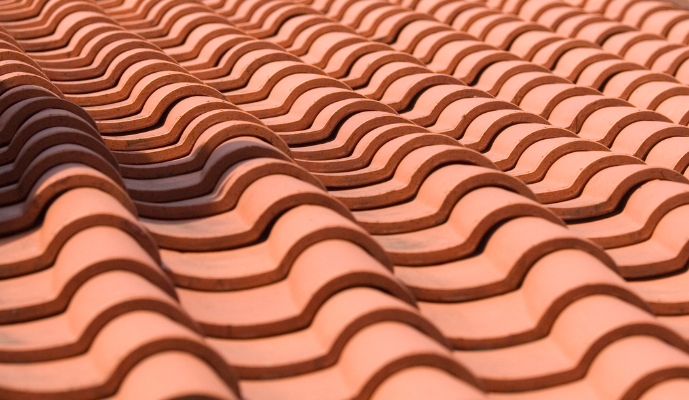
Cement tile roofs in Fort Myers and Cape Coral have a problem that most homeowners don’t fully understand: the tiles themselves are porous. They absorb moisture. That’s not a defect — it’s just the nature of concrete. What that means in our climate is that water gets into the tile, mold and algae find a home, and over time the surface degrades faster than it should.
A hydrophobic sealant — the type we use at Florida Clean Roof — fills those pores. It creates a barrier that repels water at the surface before it can be absorbed. The tile stays cleaner longer, mold has less to feed on, and the tile’s surface integrity holds up better through years of Florida sun and rain cycles.
What sealing does NOT do: it does not repair a broken seal between tiles and flashing. It does not fix damaged underlayment. It does not stop a leak that’s coming from a cracked tile, a failed mortar ridge, or a compromised valley. If water is already getting into your home, sealing the surface of your tiles will not solve it.
That distinction matters more than anything else in this article. Sealing is a preventive treatment for a structurally sound roof — not a repair for a roof that’s already failing.
The three questions I ask before recommending sealing
Before we quote any sealing job in Southwest Florida, we walk the roof and look for three things. If the answers come back wrong, I’ll tell you straight up that sealing isn’t the right call right now.
1. How old is the underlayment?
The underlayment is the waterproof membrane beneath your tiles. In most Fort Myers and Cape Coral homes built before 2000, it’s either 15-lb felt or 30-lb felt — neither of which was designed to last more than 20–25 years in a Florida climate. If your underlayment is failing, no amount of tile sealing will keep water out. We’ll find soft spots, see staining on the roof deck, or in some cases physically see daylight through gaps. If that’s what we find, the conversation needs to be about underlayment replacement, not sealing.
2. Are the mortar beds and ridge caps intact?
The mortar that holds your ridge caps and hip tiles in place is often the first thing to go on an aging tile roof. Once mortar cracks or crumbles, you have open gaps where wind-driven rain enters directly — and no sealant on the tile surface will touch that problem. We repair mortar as part of most sealing jobs, but only after we’ve shown you the damage in photos. You should see exactly what we’re repairing before we start.
3. Has the roof been properly cleaned first?
Sealant applied to a dirty roof is one of the most common mistakes I see from companies trying to turn a quick job. If the tile surface has algae, mold, or oxidation residue on it, the sealant doesn’t bond correctly — it seals that contamination in and creates a layer that peels or fails prematurely. Every sealing job we do is preceded by a full softwash cleaning. There’s no shortcut on this.
How long does cement tile sealing actually last in Florida?
Here’s where most companies oversell: the “10-year” or “lifetime” sealing warranties you’ll see advertised are, in most cases, based on the product’s manufacturer warranty in lab conditions — not on a Southwest Florida roof exposed to 12 months of UV, salt air, heat cycling, and hard rain.
In our experience sealing roofs across Cape Coral and Fort Myers since 2004, a quality hydrophobic sealant in this climate realistically lasts 3–5 years before it starts to break down and the tile surface begins absorbing moisture again. If a company is quoting you a 10-year warranty, ask to see the fine print on what voids it — you’ll typically find exclusions that cover most of what actually happens to Florida roofs.
Our warranty is 5 years on sealing work when combined with a cleaning. That’s the honest number for our climate, and we stand behind it.
What does tile roof sealing cost in Cape Coral and Fort Myers?
Sealing prices vary based on roof pitch, accessibility, tile type, and the square footage involved. For a typical single-story home in Cape Coral or Fort Myers with a flat or low-pitch barrel tile roof, here’s a realistic range:
- Cleaning only: $500 to $700 for most single-story homes
- Cleaning + sealing: $2500 to $3000 depending on size and condition
- mortar repair: $500 – $1,500+ depending on how much mortar work is needed
Be cautious of quotes significantly below these ranges. Sealing a roof the right way — proper cleaning, dwell time, two-coat application — takes time. A company quoting $1,500 for a full clean and seal on a 3,000-square-foot roof is cutting corners somewhere, usually on the prep or the product.
We give itemized written quotes before any work begins. You’ll see the line item for cleaning, the line item for sealing, and the line item for any repairs we recommend.
Which sealant types work best on Florida cement tile?
Not all sealants perform the same way on the porous concrete tiles common in Southwest Florida. Here’s how the main types compare:
Hydrophobic (water-repellent) penetrating sealants
This is what we use. These sealants penetrate the tile surface and make the pores repel water without forming a film on top. They don’t change the appearance of the tile and they allow the tile to breathe, which is critical in Florida’s humidity — trapping moisture beneath a film sealant is a fast path to spalling and surface damage.
Acrylic film-forming sealants
These create a coating on the surface of the tile. They can make tiles look slightly glossy and they’re less expensive, but in Florida’s heat they tend to break down faster, can peel, and if applied over any residual moisture in the tile, they trap it and cause damage from underneath. We don’t use these.
Silicone-based sealants
More durable than acrylics but much harder to work with and significantly more expensive. Generally used in commercial applications rather than residential tile roofs. For most Fort Myers and Cape Coral homeowners, a quality penetrating hydrophobic sealant is the right call.
Signs your cement tile roof is ready for sealing
If you’re not sure whether your roof needs sealing, here’s what to look for from the ground:
- Dark staining or black streaks that reappear within 12–18 months of cleaning — this means the tile is absorbing moisture and giving algae somewhere to live
- Tiles that look “dull” or lighter in color than when new — oxidation on the surface means the tile is increasingly porous
- Visible green or orange tinting on shaded sections of the roof — algae and lichen are feeding on moisture the tile is holding
- An HOA notice about roof appearance — many communities in Cape Coral and Fort Myers require cleaned and sealed roofs as part of their standards
If you’re not sure, we’ll come out and look for free. We’ll tell you honestly whether we think sealing makes sense or whether the money is better spent elsewhere.
What a sealing job looks like with our crew
We don’t schedule a sealing job without a roof walk first. We photograph every issue we find — cracked tiles, failing mortar, debris in the valleys — and go through the photos with you before we write a quote.
On the day of service, we start with the softwash cleaning and let the roof fully dry before any sealant is applied. Depending on weather and temperature, that’s typically a same-day process in our dry season and occasionally a two-day process during summer when humidity is highest.
Sealant is applied in two passes to make sure full coverage on the tile face and edges. We protect your gutters, landscaping, and any skylights or roof penetrations before we start. You’ll get before and after photos when we’re done.
Our team shows up in uniform, in a branded truck. We’re not a fly-by-night crew from Craigslist. We’ve been doing this in Southwest Florida since 2004 and our license number is on every quote we hand you.
Ready to find out if your roof is a candidate for sealing?
Call our Cape Coral and Fort Myers team at (239) 488-6900 and we’ll schedule a free roof walk. No pressure, no obligation — we’ll tell you what we find and what we recommend, and you can decide from there.
If your roof has visible staining, hasn’t been cleaned in more than two years, or you’re getting HOA notices about its condition, sealing is probably worth a conversation. If it’s leaking actively or has underlayment damage, we’ll tell you that too — and point you toward the right next step even if it’s not a service we provide.
Learn more on our Cape Coral roof cleaning page and our roof cleaning services page.