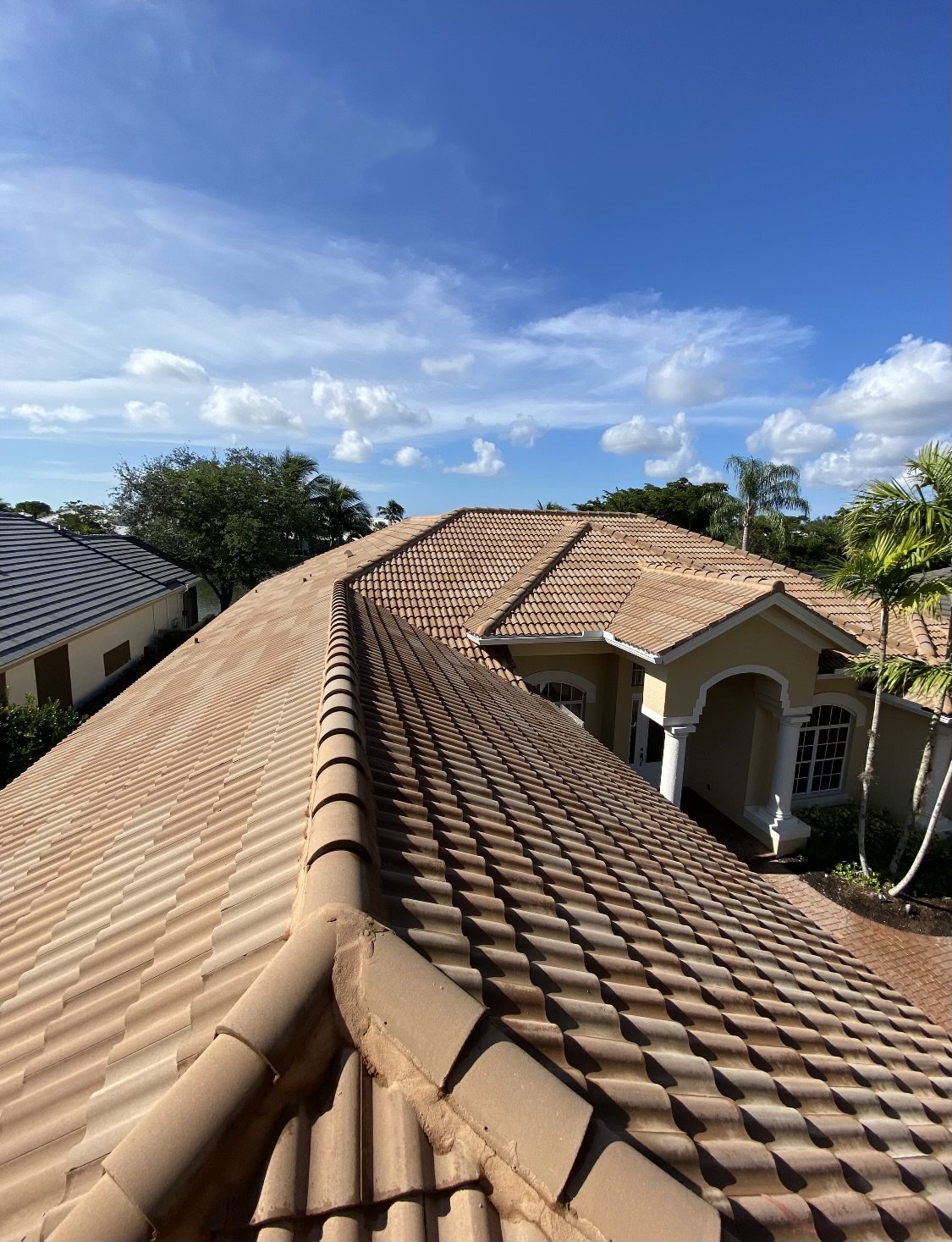
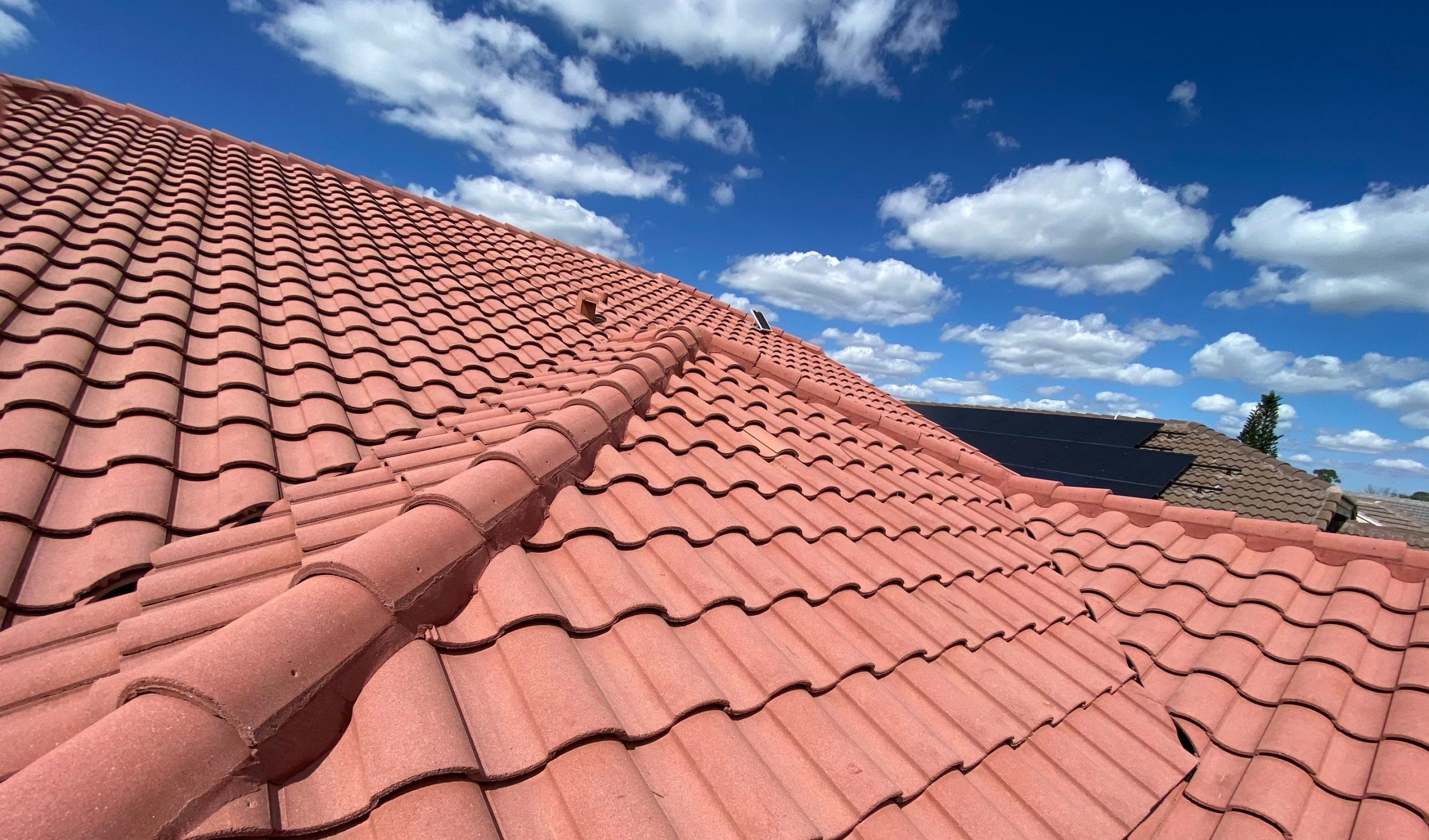
Cleaning your roof isn’t just about aesthetics; it’s about extending the life of your roofing materials, improving energy efficiency, and protecting your home from various types of damage. This comprehensive guide explores how roof cleaning, whether done by a professional roof cleaning service or yourself, can make a significant difference in the longevity and appearance of your home.
Why is Roof Cleaning Important?
When it comes to home maintenance, roof cleaning often doesn’t receive the same attention as other tasks, like gutter cleaning or power washing the driveway. However, a dirty roof can have serious implications for the lifespan of roofing materials and the overall condition of your home. Regular roof cleaning removes built-up dirt, bird droppings, algae, and moss, which can degrade roofing materials over time. These elements not only detract from your roof’s aesthetic appeal but can also weaken its structure, especially on materials like asphalt shingles, slate roofs, and metal roofs.
The Benefits of a Clean Roof
Having a clean roof offers several advantages beyond mere curb appeal. Here’s a breakdown of the primary benefits:
- Enhanced Lifespan of Roofing Materials: Moss, algae, and lichen can trap moisture against your roof, leading to faster degradation, especially on asphalt shingle roofs. Removing these elements can help extend the life of your shingles and prevent costly repairs.
- Improved Energy Efficiency: Dirt and dark stains absorb more heat, making it harder for your home to stay cool. A clean roof reflects sunlight better, which can contribute to improved energy efficiency and potentially lower utility bills.
- Preventing Structural Damage: Moisture accumulation from moss or algae can seep into the roofing material, causing water damage and possibly leaks. Regular roof cleaning helps protect the integrity of your roof and prevent these issues.
- Boosting Curb Appeal: A well-maintained roof dramatically improves the aesthetic appeal of your home. When you clean your roof, you enhance the overall look of your property, which is especially important if you’re planning to sell.
Choosing the Right Roof Cleaning Method
There are various methods to effectively clean different types of roofing materials. Let’s look at a few of the most common cleaning methods and their pros and cons.
Soft Wash Method
Soft washing is ideal for delicate roofing materials like asphalt shingles. This method uses a chemical solution, typically a bleach solution or mild detergent, that is applied with a sprayer attached to a garden hose. The solution breaks down grime and algae without the need for scrubbing or high-pressure washing. After allowing the solution to sit, it’s rinsed off with water.
Pressure Washing vs. Soft Washing
While pressure washing is effective at removing stubborn grime and dirt, it is not recommended for shingle roofs, as the high pressure can dislodge granules on asphalt shingles or even loosen tiles. Instead, a roof cleaning service may use soft washing, which uses a low-pressure stream combined with a cleaning solution, making it gentler on the roofing materials while still effectively removing dirt and mold.
Using a Roof Cleaning Solution
A specific cleaning solution, often available at home improvement stores, can help effectively clean your roof without damaging roofing materials. If using a roof cleaning solution, always follow the manufacturer’s instructions and proper safety precautions to protect both yourself and your roof.
Necessary Safety Precautions for Roof Cleaning
Roof cleaning requires proper safety precautions to avoid accidents and damage to the roof. Here are some essential safety measures:
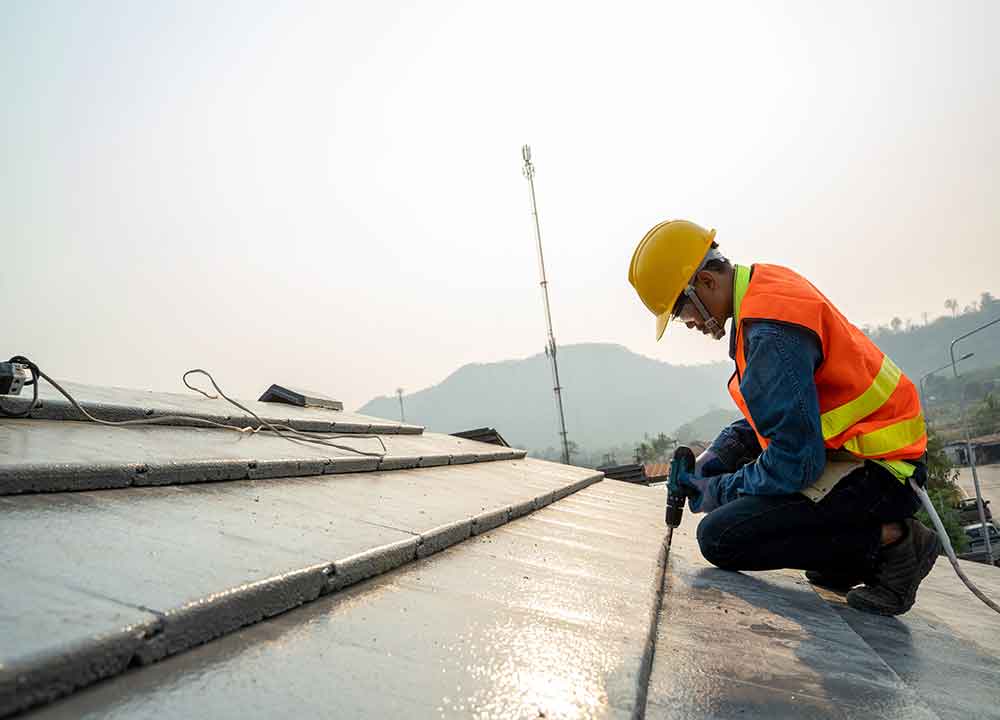
- Safety Harness and Equipment: Use a safety harness when working on steep roofs to prevent falls. A roof cleaning service typically uses a harness system to ensure safety on the job.
- Ladder Stability: Ensure the ladder is stable and placed on a level surface. Secure the ladder against the roof to avoid slipping.
- Protective Gear: Wear gloves and eye protection when using a chemical solution, as it can cause irritation if it comes into contact with your skin or eyes.
- Using a Garden Hose Safely: When rinsing off cleaning solutions, a garden hose is a safer option than a pressure washer for many types of roofing materials, especially shingle roofs.
Common Roof Types and How to Clean Them
Different roofing materials require unique cleaning techniques to ensure effective results without causing damage.
Cleaning Asphalt Shingle Roofs
Asphalt shingles are one of the most common roofing materials but can be sensitive to high-pressure washing. For asphalt shingle roofs, a soft wash method using a chemical solution is ideal. This method removes algae and moss without dislodging granules or damaging the shingles.
Cleaning Metal Roofs
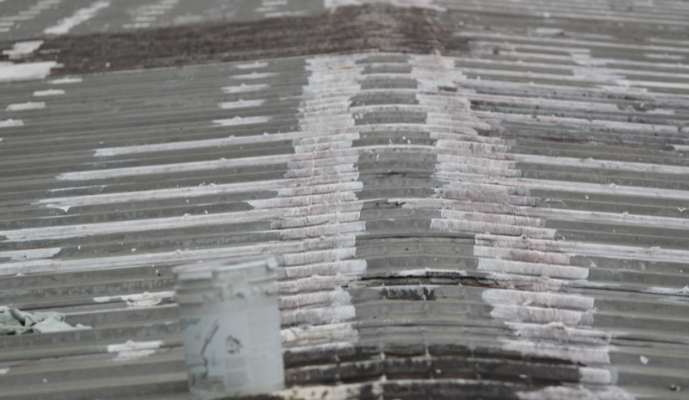
Metal roofs are more durable and can handle light pressure washing. However, it’s still essential to avoid too much force, which could dent or scratch the surface. A soft-bristle brush combined with a mild detergent can gently scrub away grime and leave your metal roof looking new.
Cleaning Slate Roofs
Slate roofs are incredibly durable but should never be pressure-washed. Instead, use a mild bleach solution or specific cleaning solution made for slate. Apply with a sprayer and gently scrub with a soft bristle brush to avoid chipping or cracking.
Essential Tools and Equipment for Roof Cleaning
Whether you choose to clean your roof yourself or hire a roof cleaning service, using the right tools is key. Here are some recommended tools:
- Leaf Blower: Useful for removing loose debris before applying a cleaning solution.
- Soft Bristle Brush: Ideal for gently scrubbing tough stains on delicate roofing materials.
- Pressure Washer or Garden Hose: If using a pressure washer, keep the setting low, or opt for a garden hose for a gentler rinse.
- Chemical Solution: Choose a cleaning solution suitable for your roofing type to avoid damage.
- Safety Gear: Proper safety gear, including a safety harness and gloves, is essential for protection during roof cleaning.
How Often Should You Clean Your Roof?
Cleaning frequency depends on several factors, including your environment and the type of roofing materials on your home. In areas with high humidity, moss and algae growth is more common, so consider a roof cleaning at least once a year. If you live in a dry climate with minimal debris, cleaning roofs every 2-3 years might be sufficient.
Signs Your Roof Needs Cleaning
Not sure if it’s time to clean your roof? Here are some signs that indicate it may need attention:
- Visible Algae or Moss Growth: Green patches on your roof are a clear indication that algae or moss has taken hold.
- Dark Stains and Streaks: These are typically caused by airborne bacteria and should be cleaned to prevent further growth.
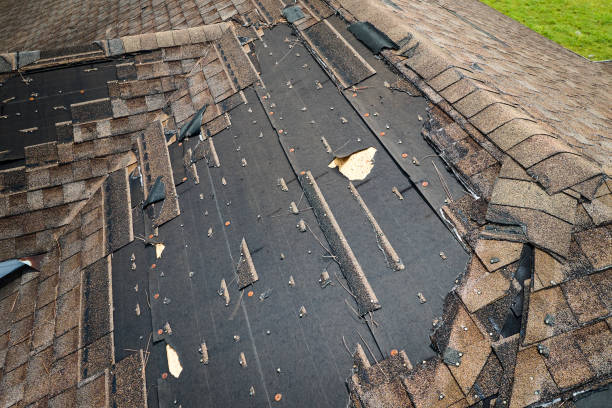
- Loose Shingles or Cracks: Debris can hide signs of damage, so a roof clean can help identify any loose shingles or cracked areas.
- Decreased Curb Appeal: If your roof looks dull or dirty, a cleaning can restore its aesthetic appeal.
Maintaining Your Roof’s Appearance with Clean Roof
Routine roof cleaning is a critical part of home maintenance. A clean roof not only looks attractive but also offers long-term protection against environmental elements that cause wear and tear. If you’re not comfortable doing it yourself, consider reaching out to a professional roofing company like Clean Roof. Their expert roof cleaning services, tailored to your roofing type, ensure your home stays beautiful and safe from potential damage year-round.