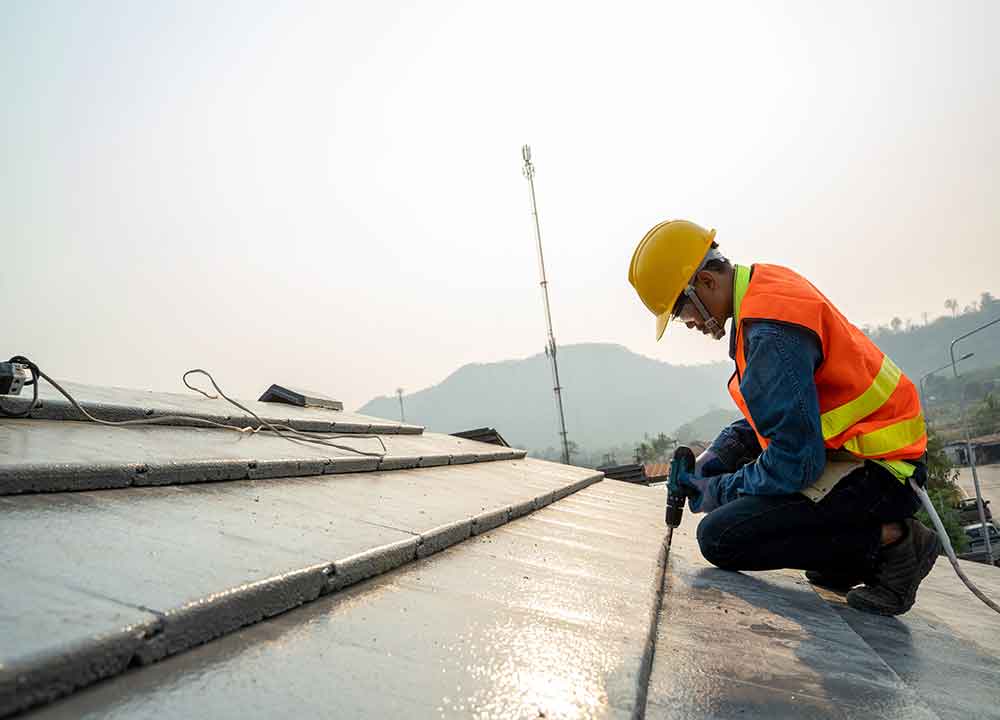
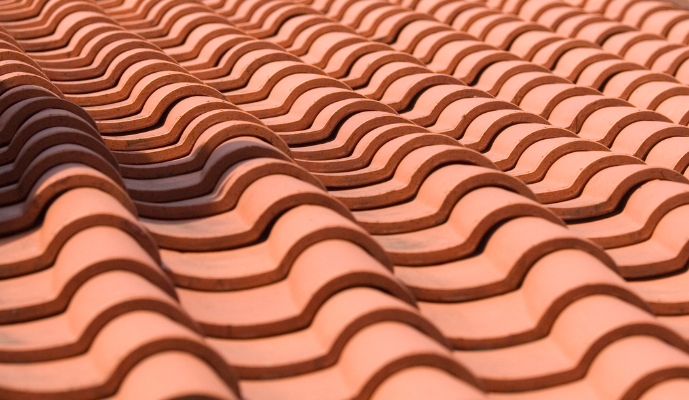
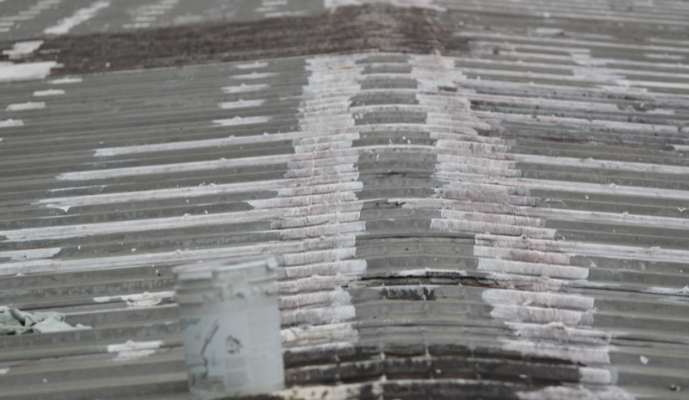
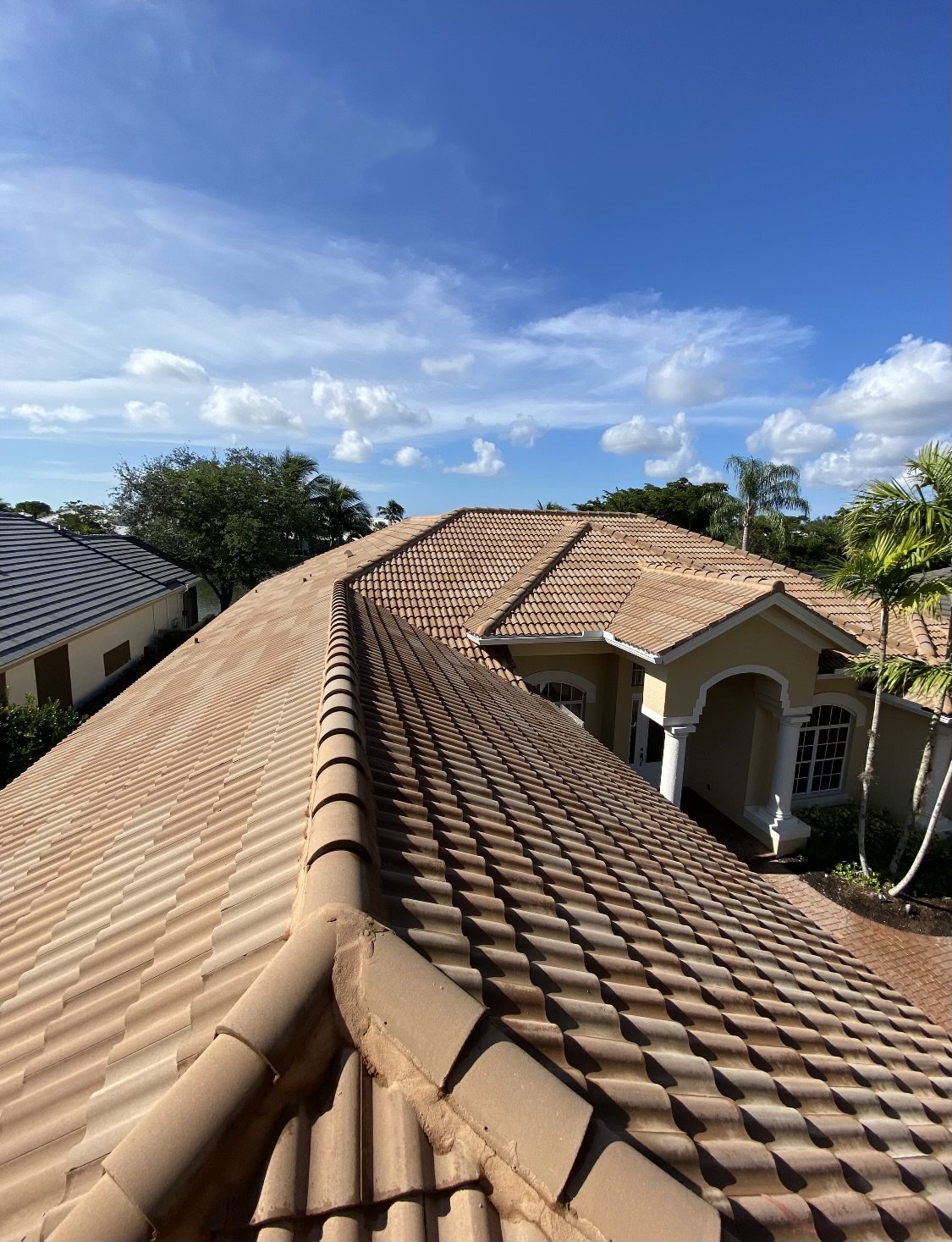
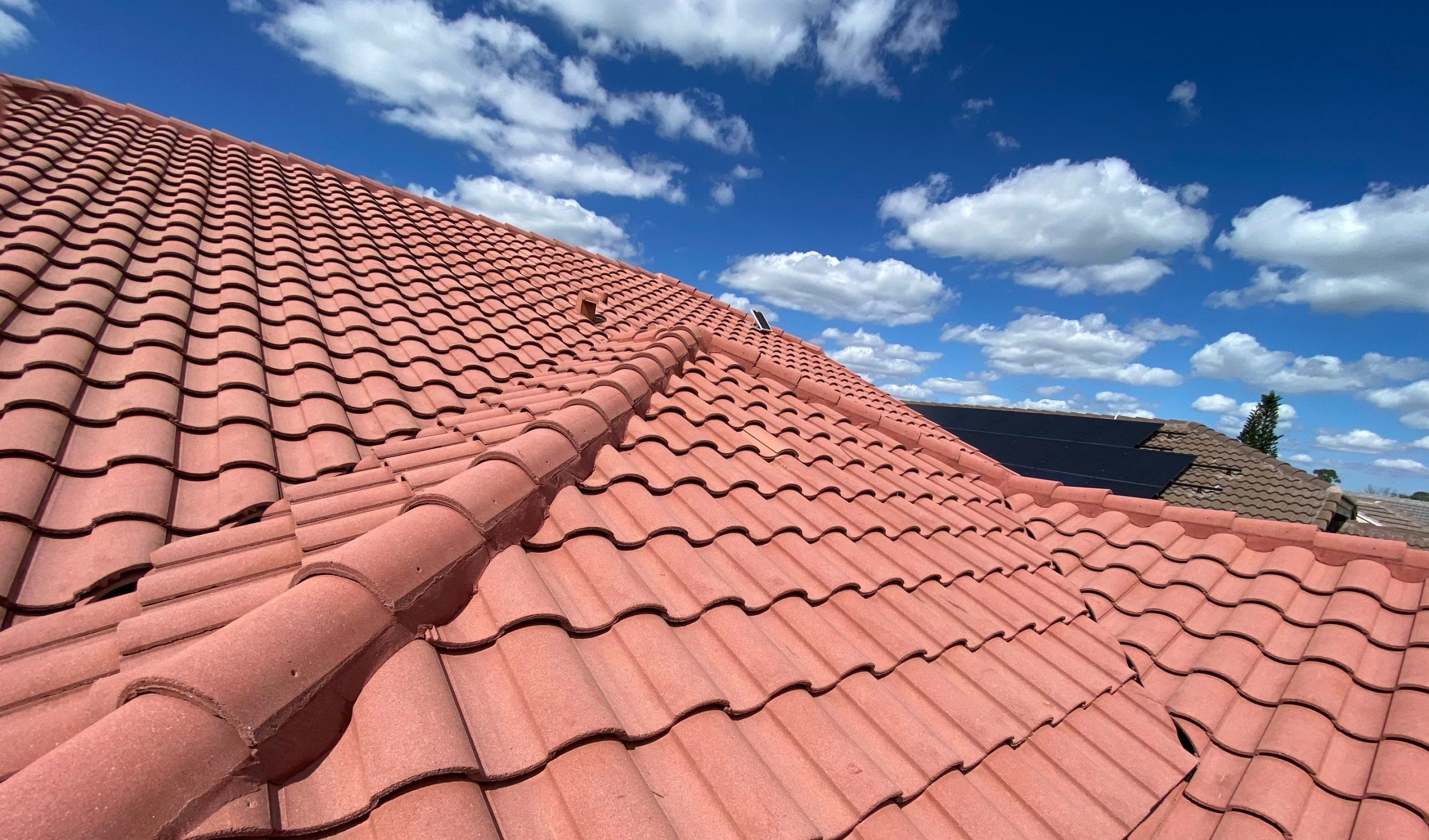
If you have ever looked up at your roof and noticed dark streaks, patches of algae, or a general dull appearance, you are not alone. Over time, roofs naturally collect debris, organic growth, and pollutants that affect both appearance and performance. At that point, most homeowners begin asking the same question. What is the safest way to clean a roof. The conversation often leads to one comparison that dominates the industry, soft wash vs pressure wash.
At first glance, both options may seem similar because they involve cleaning the same surface. However, the methods could not be more different. Understanding those differences is essential because choosing the wrong approach can lead to costly damage. At the same time, selecting the right method can extend the life of your roof while improving the overall look of your home.
Understanding the Difference Between Cleaning Methods
When discussing roof cleaning methods, it helps to start with how each process works. Pressure washing relies on high force water to remove dirt, stains, and buildup. It is powerful, fast, and often effective on hard surfaces like concrete or stone. However, roofs are not built like driveways. Roofing materials require a more delicate approach because they are designed to shed water, not withstand direct impact from high pressure streams.
Soft washing takes a completely different path. Instead of relying on force, it uses specialized cleaning solutions combined with low pressure cleaning techniques. These solutions break down algae, mold, and organic growth at the root level. Therefore, the cleaning process does more than just remove visible stains. It addresses the cause of the problem, which helps prevent regrowth.
Because of this fundamental difference, pressure washing vs soft washing is not simply a matter of preference. It is a matter of understanding what your roof actually needs.
Why Pressure Can Be a Problem
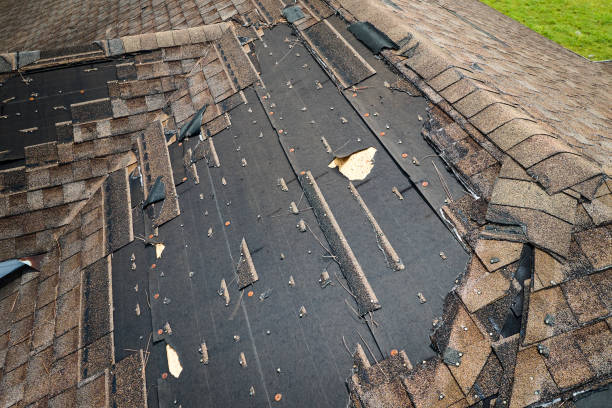
High pressure water may seem like a quick solution, yet it often creates unintended consequences. Roofing materials such as shingles, tiles, and underlayment are designed with protective layers. When strong water pressure is applied, those layers can be stripped away. As a result, the roof becomes more vulnerable to leaks, weather damage, and premature aging.
Granule loss is another concern. Many shingles rely on granules to protect against sunlight and heat. Pressure washing can dislodge these granules, therefore reducing the lifespan of the roof. At the same time, water can be forced under shingles, which increases the risk of moisture damage inside the home.
Because of these risks, many roofing professionals caution against using pressure washing for roof cleaning. What seems effective in the short term may lead to expensive repairs later.
Why Soft Washing Is Considered the Safer Choice
Soft washing focuses on preservation rather than force. By using low pressure cleaning, it treats the roof gently while still achieving a thorough result. The cleaning solutions used in this process are designed to eliminate organic growth, which means algae and mold are not just removed but neutralized.
This approach provides longer lasting results because regrowth is slowed significantly. When algae roots are destroyed, they take longer to return. Therefore, homeowners can enjoy a clean roof for an extended period without frequent maintenance.
At the same time, soft washing protects the structural integrity of the roof. There is no aggressive pressure to damage shingles or tiles. Instead, the process works in harmony with the materials, which makes it one of the most trusted exterior cleaning solutions available today.
A Better Fit for Florida Conditions
In warm and humid environments, roofs are especially prone to algae growth. Dark streaks often appear because of airborne spores that thrive in moisture rich climates. Because these organisms spread quickly, simply blasting them away does not solve the problem.
Soft washing addresses this challenge effectively. The cleaning agents target the biological growth itself, therefore reducing the likelihood of rapid return. For homeowners in regions with heavy humidity, this method aligns better with environmental conditions.
Comparing Results Over Time
When evaluating soft wash vs pressure wash, it is important to look beyond immediate results. Both methods may leave a roof looking clean at first. However, the long term outcome tells a different story.
Pressure washing often removes surface stains quickly, yet it does not eliminate the underlying organisms. As a result, algae and mold can return within a short period. At the same time, any damage caused during cleaning may not become visible until months later.
Soft washing delivers a deeper clean because it targets the root cause. Therefore, the results last longer and require less frequent maintenance. Homeowners who choose this method often find that their roofs stay cleaner for extended periods, which reduces overall upkeep costs.
Impact on Overall Home Appearance
A clean roof does more than improve the roof itself. It enhances the entire look of the home. When paired with house washing services, soft washing creates a cohesive and refreshed appearance. Siding, driveways, and patios can all benefit from coordinated cleaning approaches that prioritize safety and effectiveness.
Because exterior cleaning solutions work best when they complement each other, using the right method on each surface matters. What works for concrete may not work for roofing materials. Understanding these differences ensures that every part of the home is treated appropriately.
Addressing Common Misconceptions
Some homeowners believe that pressure washing is always more powerful and therefore more effective. While it is true that high pressure can remove stubborn dirt, effectiveness depends on the surface being cleaned. Roofs require a method that balances cleaning power with material protection.
Another misconception is that soft washing is weaker. In reality, it is more strategic. By using cleaning solutions designed to break down contaminants, it achieves results that pressure alone cannot deliver. Therefore, the method may appear gentler, yet it often proves more effective in the long run.
Cost is another factor that enters the conversation. While pressure washing may seem less expensive initially, potential damage and frequent cleaning needs can increase overall costs. Soft washing, on the other hand, offers durability and reduced maintenance, which can provide better value over time.
Choosing the Right Approach for Your Roof
Every home is different, yet most roofing materials benefit from a careful and informed approach. Before deciding on a cleaning method, homeowners should consider the age of the roof, the type of material, and the extent of buildup. Consulting professionals who understand roof cleaning methods can make a significant difference.
Because roofs protect everything beneath them, taking unnecessary risks is not worth the short term gain. Soft washing provides a balance of effectiveness and safety that aligns with long term home care. At the same time, it preserves the investment homeowners have made in their property. If your roof is showing signs of algae or staining, explore our roof cleaning services in Fort Myers to safely restore and protect your home.
When evaluating pressure washing vs soft washing, the safer choice becomes clear. Protecting the roof should always come before achieving quick results.
Final Thoughts on Roof Cleaning
Cleaning your roof is not just about appearance. It is about maintaining the health and longevity of your home. Soft wash vs pressure wash is a comparison that highlights the importance of choosing the right method rather than the fastest one. To better plan maintenance, read our guide on when to schedule roof cleaning for the best results so you can prevent buildup before it becomes a bigger issue.
Soft washing stands out because it treats the roof with care while delivering lasting results. It removes harmful growth, protects materials, and reduces the need for frequent maintenance. Therefore, it offers a comprehensive solution that supports both beauty and durability.