A healthy roof protects your home and your wallet. Regular cleaning removes the algae, moss and debris that hold moisture against shingles and accelerate wear. This guide explains when to clean your roof, how often to do it, why soft washing is usually the safer choice, what signs to watch for, and when calling a pro is the smart move. Follow these simple practices to protect your investment and keep your house looking its best.
Knowing the typical causes of roof failure helps you prioritize preventative work and avoid costly repairs.
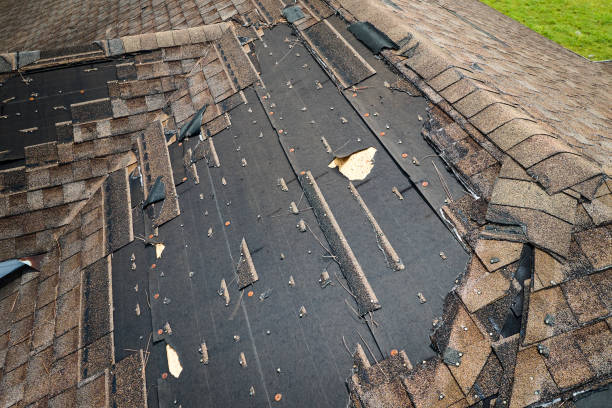
Analyzing Roof Damage: Causes and Prevention
This study reviews 801 recorded roof damage events, classifying them by roof type and identifying the most common failure scenarios. The authors link specific causes to roof designs and offer technical guidance to help developers, designers and construction managers reduce defects on building sites. The findings highlight practical lessons to raise overall construction quality.
How Often Should You Clean Your Roof to Prevent Damage?
Keeping your roof clear of organic buildup is one of the easiest ways to extend its life. How often to clean depends on roof material, climate and nearby trees — we cover the key factors below so you can choose the right schedule for your home.
What Factors Influence Roof Cleaning Frequency?
A few practical considerations determine how frequently a roof needs cleaning:
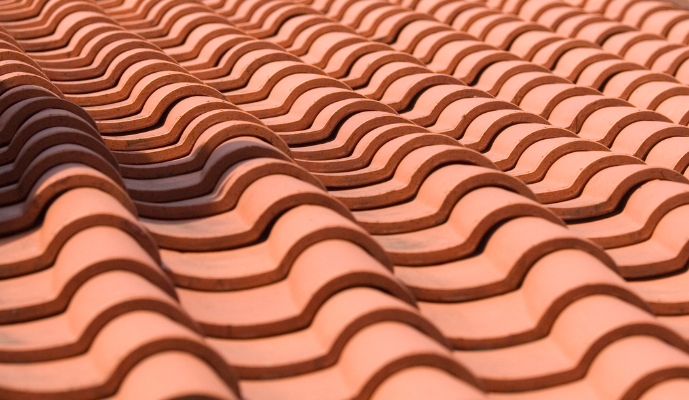
- Roof Material : Asphalt shingles, metal, tile and other materials respond differently to moisture and biological growth; some hold stains longer or are more delicate.
- Local Climate : Humid, rainy regions encourage algae and moss — expect more frequent cleanings in those areas.
- Surrounding Vegetation : Overhanging trees drop leaves and shade the roof, creating the ideal environment for organic growth and debris buildup.
How Does Regular Cleaning Extend Roof Lifespan?
Regular cleaning helps prevent moisture from lingering against roofing materials, which slows shingle breakdown and reduces the risk of leaks. While exact lifespan gains vary, routine maintenance lowers the chance of premature failure and keeps your roof looking neat — a small investment that can preserve property value over time.
What Is the Best Time of Year for Roof Cleaning?
- Dry Weather : Spring and fall usually offer drier windows for cleaning and proper drying afterward.
- Moderate Temperatures : Cooler temperatures make work safer and avoid the stress that extreme heat can place on materials and crews.
- Reduced Algae and Moss Growth : Scheduling cleanings outside the wettest, hottest months helps keep regrowth slower after treatment.
Can Roof Cleaning Be Done in Summer or Winter?
You can clean in summer or winter, but each season has trade-offs:
- Summer Heat Considerations : High heat can complicate work and increase the risk of heat-related illness, so choose cooler days and follow safety protocols.
- Winter Freeze Risks : Ice and frozen surfaces create slip hazards and limit cleaning effectiveness; avoid work during icy conditions.
How Does Soft Wash Roof Cleaning Benefit Your Roof?
What Is Soft Washing and How Does It Work?
Soft washing uses low-pressure water and a biodegradable cleaning solution to break down algae, moss and other organic stains without harming shingles. Typical steps include:
- Low-Pressure Application : Gentle flow prevents granular loss and shingle damage.
- Biodegradable Solutions : Environmentally friendlier formulas reduce harm to plants and wildlife around the house.
- Thorough Rinsing : After the solution has done its work, the roof is rinsed with low-pressure water to remove residues.
When done correctly, soft washing cleans effectively while preserving the roof’s protective layers.
Why Is Soft Washing Safer Than Pressure Washing?
Soft washing is generally the safer option for residential roofs because:
- Risk of Shingle Damage : High-pressure streams can strip protective granules from shingles and shorten their life.
- Water Intrusion Issues : Excessive pressure can force water under shingles and into the structure, causing leaks.
- Long-Term Roof Integrity : A low-pressure approach reduces immediate harm and preserves the roof’s long-term performance.
What Are the Signs That Your Roof Needs Cleaning?
How Do Algae, Moss, and Lichen Affect Roof Health?
Biological growths like algae, moss and lichen trap moisture and can chemically and physically degrade roofing materials over time. Spotting them early makes it easier to address the problem before it leads to structural issues.
Research underscores how organisms such as lichens, fungi and mosses contribute to surface deterioration across many building materials, including roofs. If your roof is showing dark streaks or buildup, explore our roof cleaning services in Cape Coral to safely restore and protect your home.
Lichens, Fungi & Moss: Understanding Roof Biodeterioration
This review examines biological deterioration — its physical and chemical mechanisms and the organisms that cause it. It highlights how lichens, fungi and mosses erode surfaces and surveys methods used to protect affected structures. While the focus often includes stone monuments and artifacts, the same biodeterioration processes apply to roofing materials.
Environmental significance of Lichens and Biodeterioration, G Çobanoğlu Özyiğitoğlu, 2019
Moisture Retention : Growth traps water against shingles, increasing rot and decay risk.
Shingle Deterioration : Persistent coverage can wear down shingles and shorten their service life.
Potential Leaks : If unchecked, biological damage and trapped moisture can lead to leaks and interior damage.
Multiple studies document the harmful effects of algae, fungi, lichens and moss on building surfaces, reinforcing the need for timely maintenance.
Algae, Moss & Lichen: Biological Roof Degradation
Research shows that algae, fungi, lichens, mosses and certain vascular plants each contribute to material degradation in different ways, underlining their cumulative impact on historic and modern structures alike.
The role of lichens, mosses, and vascular plants in the biodeterioration of historic buildings:
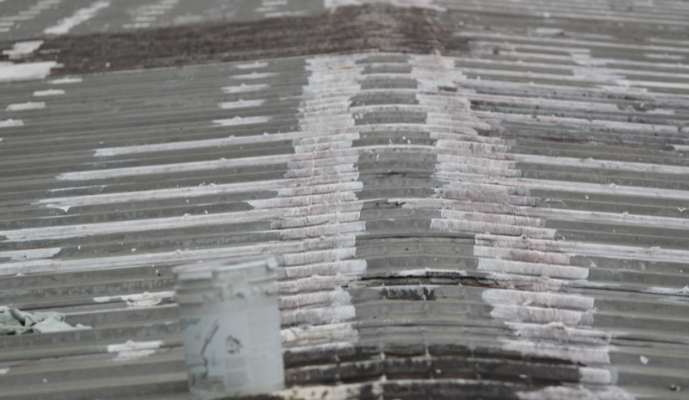
What Physical Damage Indicates Cleaning Is Overdue?
Look for these visible signs that your roof needs attention:
- Cracked Shingles : Cracks often indicate aging or stress and may require prompt repair.
- Debris Accumulation : Leaves, branches and sediment trap moisture and feed organic growth.
- Clogged Gutters : Regular blockages suggest your roof is shedding debris and could benefit from a cleaning.
When Should You Hire Professional Roof Cleaning Services?
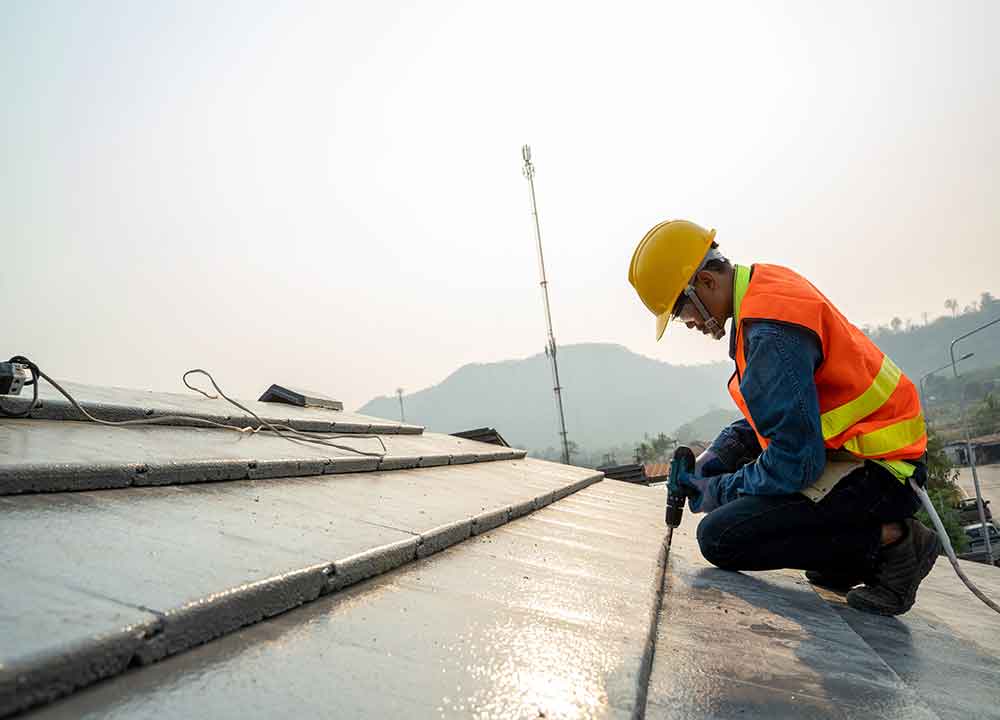
DIY cleaning can be tempting, but professionals bring training, equipment and safety measures that make a difference. Consider hiring a pro when the job is large, the roof is steep, or you want guaranteed results.
Professional roof cleaning typically offers:
- Quality of Service : Technicians know how to clean effectively without harming materials.
- Time Savings : Pros complete the work faster and with fewer interruptions to your routine.
- Safety and Liability : Trained crews reduce accident risk and assume the liability of on-roof work.
How to Choose the Right Roof Cleaning Service?
Use these criteria to pick a reliable contractor:
- Reputation and Reviews : Check customer feedback and local references to confirm quality and reliability.
- Service Offerings : Verify they provide the method you prefer — typically soft washing rather than high-pressure cleaning.
- Pricing Transparency : Choose a provider who explains costs up front and avoids hidden fees.
How Can a Roof Cleaning Schedule Support Preventative Maintenance?
Preventative maintenance combines inspections and regular cleaning to catch issues early. That proactive approach saves money, reduces the chance of major repairs, and helps preserve curb appeal.
- Cost Savings : Fixing small problems early prevents expensive emergency repairs.
- Avoiding Major Repairs : Consistent upkeep reduces the likelihood of premature replacement.
- Enhancing Property Value : A well-maintained roof boosts overall home appearance and resale value.
How to Create an Effective Roof Cleaning Schedule?
Follow a simple plan to keep your roof in good condition:
- Frequency Recommendations : Plan for a professional cleaning every 1 to 3 years, adjusting for local conditions and roof type; increase frequency in high-growth climates.
- Seasonal Considerations : Book cleanings in spring or fall when weather is typically cooperative.
- Tracking Maintenance : Keep a record of cleaning dates and inspection notes so you can spot trends and plan ahead.
| Cleaning Frequency | Recommended Actions | Benefits |
|---|---|---|
| Every 1-3 Years | Schedule a professional cleaning | Prevents buildup of algae and moss |
| Biannually | Inspect and clean in spring and fall if needed | Maintains roof integrity and appearance |
| As Needed | Address visible signs of damage | Avoids costly repairs and extends lifespan |
The table above summarizes typical cleaning intervals, actions to take, and the benefits you can expect.
Conclusion
Regular roof cleaning is a simple, effective way to protect your home from preventable damage. Understanding when to clean, which method to use and when to hire professionals helps you avoid costly repairs and keeps your roof performing longer. Ready to protect your investment? Consider scheduling a professional roof cleaning or start with an inspection this season.